
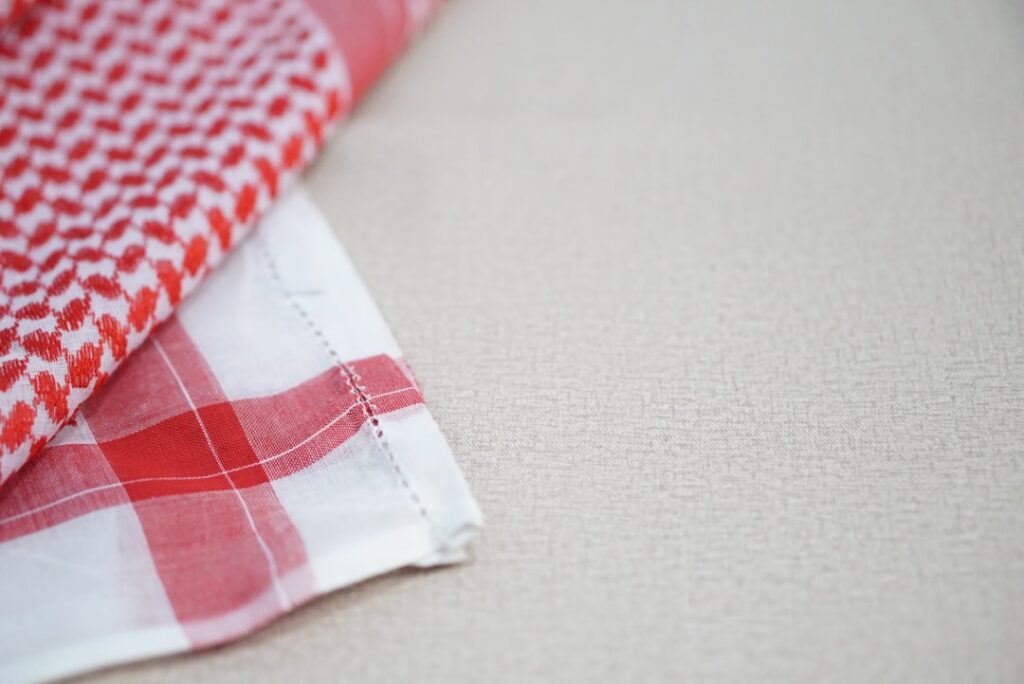
Chanderi vs. Organza: Choosing the Best Lightweight Fabric for Spring Fashion
As the weather warms up, fashion enthusiasts are on the lookout for lightweight fabrics that exude elegance and sophistication. Two popular choices for spring fashion are Chanderi and Organza. While both fabrics are known for their breathability and lightness, they have distinct characteristics that set them apart. In this article, we’ll delve into the world of Chanderi and Organza, exploring their origins, characteristics, and practical applications. By the end of this article, you’ll be equipped with the knowledge to make an informed decision about which fabric is best suited for your spring fashion needs.
When it comes to choosing the perfect lightweight fabric for spring, it’s essential to consider factors such as comfort, durability, and style. Chanderi and Organza are two fabrics that have been popular for centuries, with Chanderi originating in India and Organza having its roots in the Middle East. Both fabrics have been used in various forms of traditional clothing, from Indian sarees to Middle Eastern abayas. However, their unique characteristics make them suitable for different types of garments and occasions.
In recent years, there has been a resurgence of interest in sustainable and eco-friendly fashion. As consumers become more conscious of the environmental impact of their purchasing decisions, the demand for lightweight, breathable fabrics has increased. Chanderi and Organza are two fabrics that fit the bill, with Chanderi being made from natural fibers such as cotton and silk, and Organza being made from synthetic fibers such as nylon and polyester. However, the production process and raw materials used in Organza make it less sustainable than Chanderi.
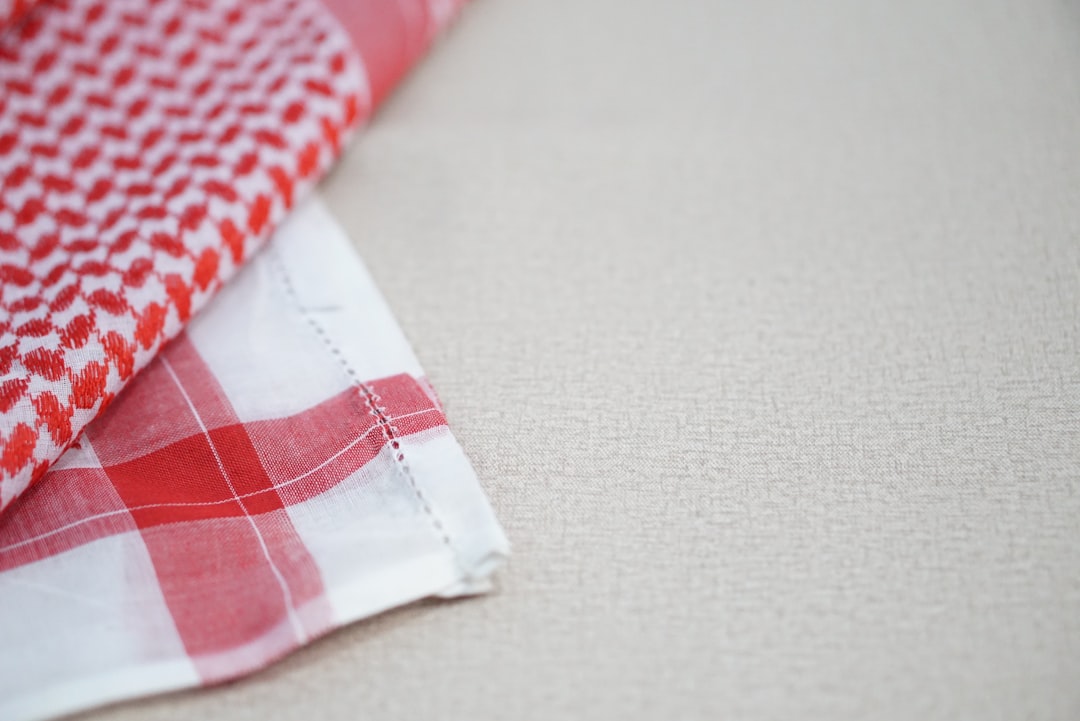
Context & Background
You may also enjoy reading
Ramadan Fashion 2026: The Rise of Minimalist Luxury and Beautiful Pastel Colors.
Chanderi is a type of fabric that originated in the town of Chanderi in Madhya Pradesh, India. The fabric has been produced in the region for centuries, with the first recorded mention of Chanderi dating back to the 11th century. Chanderi is made from a combination of cotton and silk fibers, which are woven together to create a lightweight, breathable fabric. The fabric is known for its intricate designs and patterns, which are often created using traditional Indian techniques such as block printing and embroidery.
Organza, on the other hand, has its roots in the Middle East, where it was used to create elaborate garments for royalty and nobility. The fabric is made from synthetic fibers such as nylon and polyester, which are woven together to create a lightweight, crisp fabric. Organza is known for its sheer texture and its ability to hold its shape, making it a popular choice for evening wear and special occasion garments.
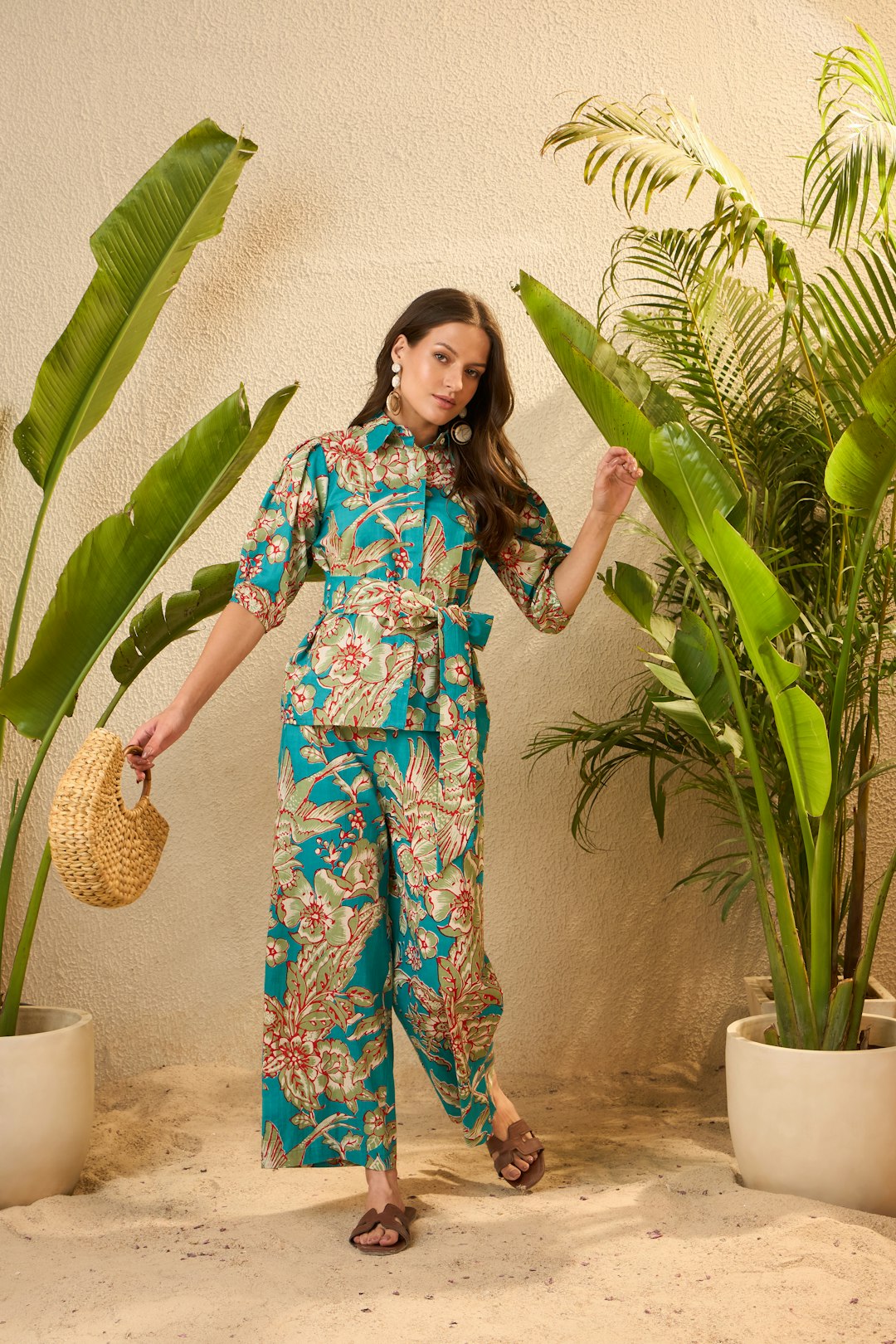
Core Analysis or Main Discussion
When it comes to choosing between Chanderi and Organza, there are several factors to consider. One of the main differences between the two fabrics is their texture. Chanderi is known for its soft, smooth texture, while Organza is crisp and sheer. Chanderi is also more breathable than Organza, making it a better choice for warm weather garments. However, Organza is more durable than Chanderi and can withstand repeated wear and tear.
Another factor to consider is the occasion. Chanderi is a popular choice for everyday garments such as kurtas and tunics, while Organza is often used for special occasion garments such as evening gowns and wedding dresses. Chanderi is also a more sustainable choice than Organza, as it is made from natural fibers and has a lower environmental impact.
In terms of care and maintenance, Chanderi is relatively easy to care for. The fabric can be hand washed or machine washed, and it can be ironed to remove wrinkles. Organza, on the other hand, requires more delicate care. The fabric should be dry cleaned or hand washed, and it should be ironed while still slightly damp to prevent wrinkles.
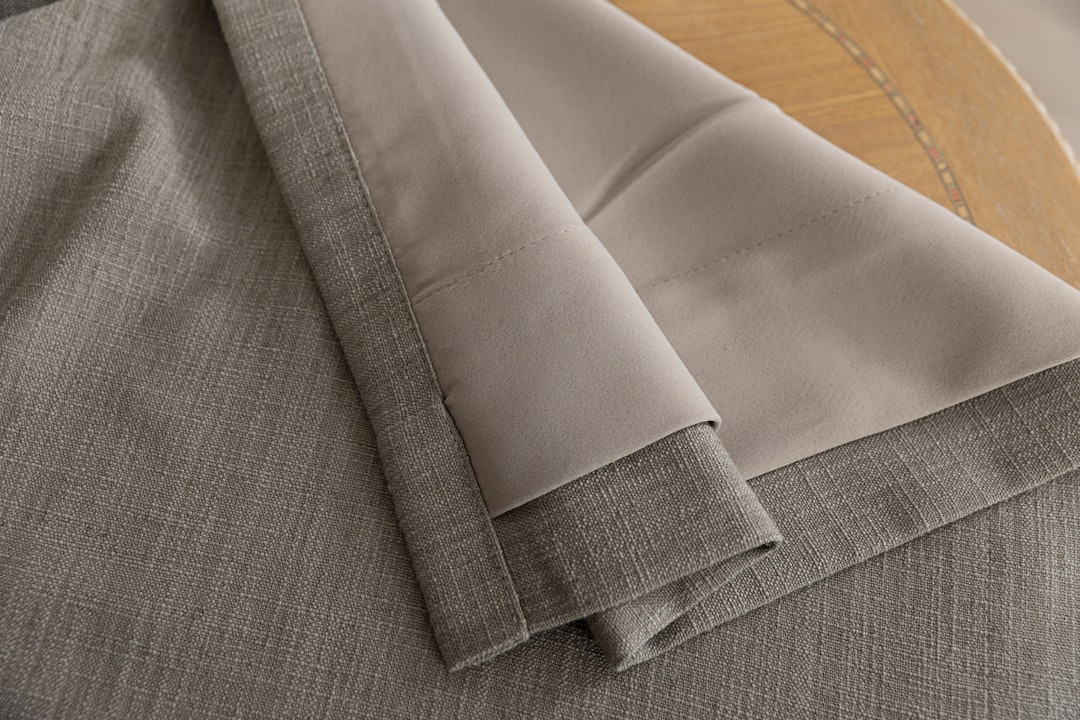
Practical Relevance or Real-World Application
So, how do you choose between Chanderi and Organza for your spring fashion needs? If you’re looking for a lightweight, breathable fabric for everyday garments, Chanderi is a great choice. The fabric is soft, smooth, and comfortable, making it perfect for warm weather garments. However, if you’re looking for a fabric for special occasion garments, Organza is a better choice. The fabric is crisp, sheer, and durable, making it perfect for evening wear and wedding dresses.
In terms of styling, Chanderi can be paired with a variety of garments, from kurtas and tunics to salwar kameez and lehengas. Organza, on the other hand, is often used as an overlay or underlay for special occasion garments. The fabric can be paired with a variety of fabrics, from silk and cotton to lace and tulle.
Key Considerations, Insights, or Common Mistakes
One common mistake to avoid when working with Chanderi and Organza is using the wrong care and maintenance techniques. Chanderi can be prone to wrinkles and creases, so it’s essential to iron the fabric while still slightly damp. Organza, on the other hand, requires more delicate care. The fabric should be dry cleaned or hand washed, and it should be ironed while still slightly damp to prevent wrinkles.
Another key consideration is the occasion. Chanderi is a popular choice for everyday garments, while Organza is often used for special occasion garments. Make sure to choose the right fabric for the occasion to avoid looking out of place.
In terms of sustainability, Chanderi is a more sustainable choice than Organza. The fabric is made from natural fibers and has a lower environmental impact. However, Organza is more durable than Chanderi and can withstand repeated wear and tear.
Frequently Asked Questions
What is the difference between Chanderi and Organza?
Chanderi and Organza are two different types of fabrics with distinct characteristics. Chanderi is a lightweight, breathable fabric made from natural fibers such as cotton and silk, while Organza is a crisp, sheer fabric made from synthetic fibers such as nylon and polyester.
How do I care for Chanderi and Organza?
Chanderi can be hand washed or machine washed, and it can be ironed to remove wrinkles. Organza, on the other hand, requires more delicate care. The fabric should be dry cleaned or hand washed, and it should be ironed while still slightly damp to prevent wrinkles.
What are the benefits of using Chanderi and Organza?
Chanderi is a breathable, lightweight fabric that is perfect for warm weather garments. Organza, on the other hand, is a durable, crisp fabric that is perfect for special occasion garments. Both fabrics have their own unique benefits and can be used to create a variety of garments.
Can I use Chanderi and Organza for everyday garments?
Yes, Chanderi is a popular choice for everyday garments such as kurtas and tunics. Organza, on the other hand, is often used for special occasion garments such as evening gowns and wedding dresses. However, both fabrics can be used for everyday garments with the right styling and care.
Conclusion
In conclusion, Chanderi and Organza are two unique fabrics with distinct characteristics. Chanderi is a lightweight, breathable fabric made from natural fibers, while Organza is a crisp, sheer fabric made from synthetic fibers. When choosing between the two fabrics, consider factors such as comfort, durability, and style. Chanderi is a great choice for everyday garments, while Organza is perfect for special occasion garments. By understanding the characteristics and benefits of each fabric, you can make an informed decision about which fabric is best suited for your spring fashion needs.
