
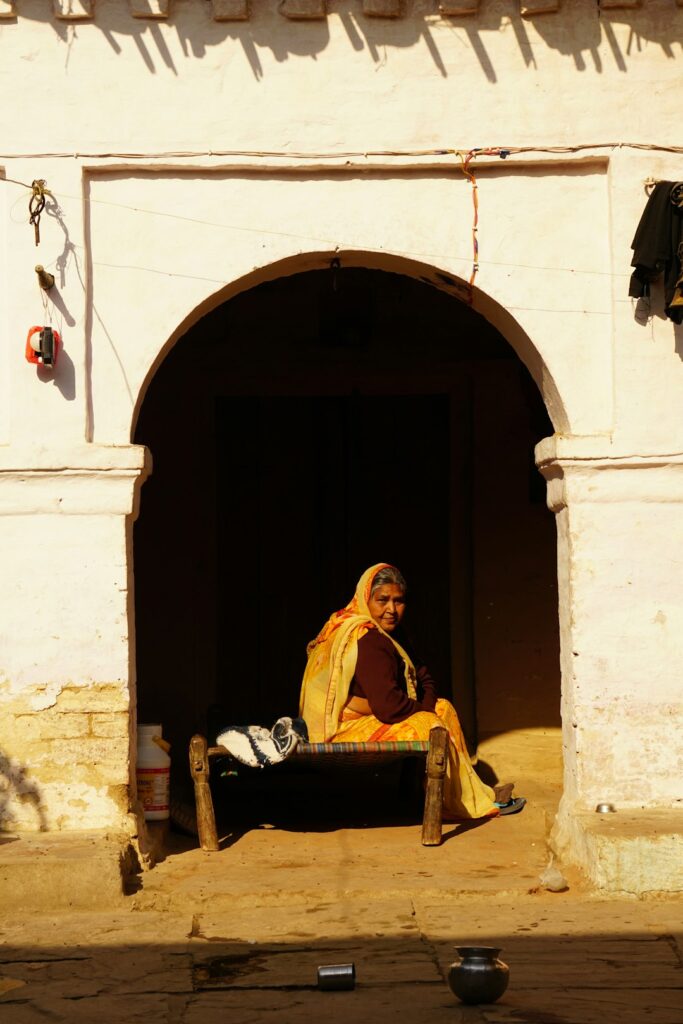
Sustainable Ethnic Fashion: Why Investing in Timeless Sarees is Eco-Friendly
As the world grapples with the environmental impact of fast fashion, sustainable ethnic fashion has become a beacon of hope. Investing in timeless sarees is an eco-friendly choice that not only reduces waste but also preserves traditional craftsmanship. With the average American generating 82 pounds of textile waste per year, it’s time to rethink our fashion choices.
The saree, a traditional garment from the Indian subcontinent, has been a staple in many cultures for centuries. Its timeless design and versatility make it an attractive alternative to fast fashion. By investing in sustainable sarees, consumers can reduce their carbon footprint, support local artisans, and own a piece of cultural heritage. In this article, we’ll delve into the world of sustainable ethnic fashion and explore why timeless sarees are an eco-friendly choice.
As consumers become more conscious of their environmental impact, the demand for sustainable fashion is on the rise. The saree, with its rich history and cultural significance, is perfectly positioned to meet this demand. By understanding the benefits of sustainable sarees, consumers can make informed choices that not only benefit the environment but also support local communities. In this article, we’ll explore the benefits of sustainable sarees, discuss common mistakes to avoid, and provide answers to frequently asked questions.
The Environmental Impact of Fast Fashion
You may also enjoy reading
Top 5 Festive Looks for Eid 2026: From Flowing Dresses to Handloom Sarees.
The fast fashion industry is one of the largest polluters in the world, with the production and distribution of cheap clothing resulting in massive amounts of waste and greenhouse gas emissions. The average American generates 82 pounds of textile waste per year, with the majority of it ending up in landfills. The production of synthetic fabrics, such as polyester and nylon, also contributes to microplastic pollution in our oceans.
In contrast, sustainable sarees are made from natural fibers such as cotton, silk, and linen, which have a lower environmental impact. The production of these fibers requires less water and pesticides, and they can be biodegradable. Additionally, sarees are often made using traditional craftsmanship, which reduces the need for machinery and energy consumption.
The Cultural Significance of Sarees
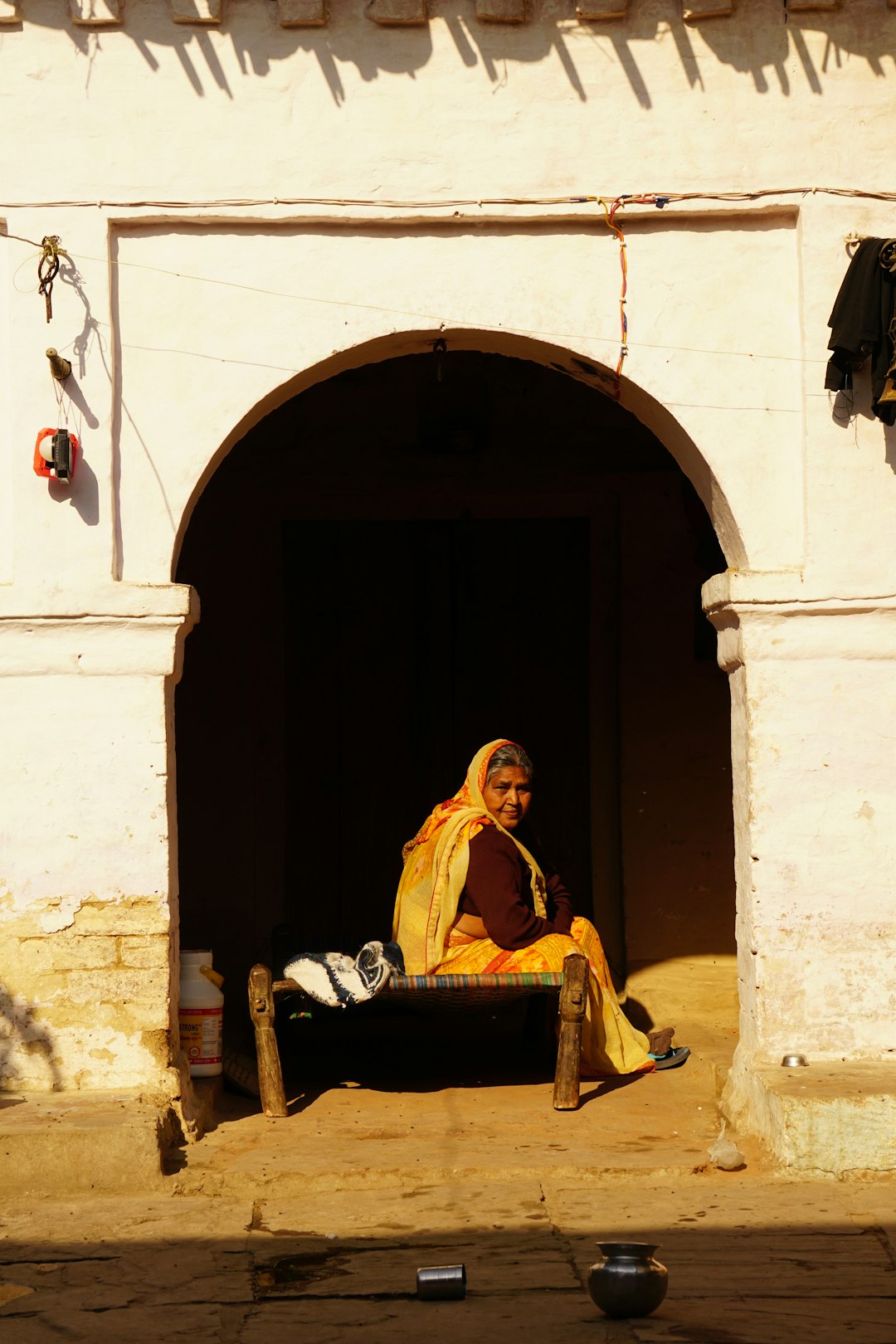
Sarees have been a staple in many cultures for centuries, with each region having its unique design, fabric, and weaving technique. The saree is not just a piece of clothing but a symbol of cultural heritage and tradition. By investing in sustainable sarees, consumers can own a piece of cultural history and support local artisans who are keeping traditional craftsmanship alive.
The saree is also a versatile garment that can be worn in multiple ways, making it a sustainable choice for consumers who want to reduce their fashion waste. With a little creativity, a saree can be worn as a dress, a skirt, or even as a scarf. This versatility reduces the need for multiple garments and makes the saree a timeless piece that can be treasured for years to come.

The Benefits of Sustainable Sarees
Sustainable sarees offer numerous benefits for consumers who want to reduce their environmental impact. Here are a few advantages of investing in sustainable sarees:
- Reduced waste: Sarees are made from natural fibers and can be biodegradable, reducing the amount of textile waste that ends up in landfills.
- Supports local artisans: Sustainable sarees are often made using traditional craftsmanship, which supports local artisans and preserves cultural heritage.
- Timeless design: Sarees have a timeless design that never goes out of style, making them a sustainable choice for consumers who want to reduce their fashion waste.
- Versatility: Sarees can be worn in multiple ways, reducing the need for multiple garments and making them a sustainable choice for consumers.
Common Mistakes to Avoid
While sustainable sarees are an eco-friendly choice, there are some common mistakes to avoid when investing in them. Here are a few trade-offs to consider:
- High cost: Sustainable sarees can be more expensive than fast fashion alternatives, making them inaccessible to some consumers.
- Limited availability: Sustainable sarees may not be widely available, making it difficult for consumers to find them.
- Cultural appropriation: Consumers should be aware of cultural appropriation when investing in sustainable sarees, making sure that they are not appropriating cultural symbols or traditions.
Frequently Asked Questions
What is the difference between sustainable and fast fashion sarees?
Sustainable sarees are made from natural fibers, such as cotton, silk, and linen, and are produced using traditional craftsmanship. Fast fashion sarees, on the other hand, are made from synthetic fibers and are produced using machinery and energy-intensive processes.
How can I care for my sustainable saree?
Sustainable sarees can be cared for by hand washing them in cold water and drying them naturally. Avoid using harsh chemicals or machine washing, as this can damage the fabric and reduce its lifespan.
Can I wear a saree if I’m not from a traditional saree-wearing culture?
Yes, anyone can wear a saree, regardless of their cultural background. However, it’s essential to be respectful of cultural traditions and symbols. Do your research, learn about the cultural significance of the saree, and be mindful of cultural appropriation.
Where can I find sustainable sarees?
Sustainable sarees can be found at local artisan markets, online marketplaces, and specialty stores that focus on sustainable fashion. Look for brands that prioritize sustainability and fair labor practices.
Conclusion
Sustainable ethnic fashion is a growing trend that offers consumers a chance to reduce their environmental impact while supporting local artisans and preserving cultural heritage. Timeless sarees are an eco-friendly choice that can be treasured for years to come. By understanding the benefits of sustainable sarees and avoiding common mistakes, consumers can make informed choices that benefit both the environment and local communities.
As we move forward in the world of sustainable fashion, it’s essential to prioritize cultural sensitivity, fair labor practices, and environmental sustainability. By doing so, we can create a more equitable and sustainable fashion industry that benefits everyone involved.
