
The Art of Zari Work: Understanding the Golden Threads of Indian Ethnic Wear
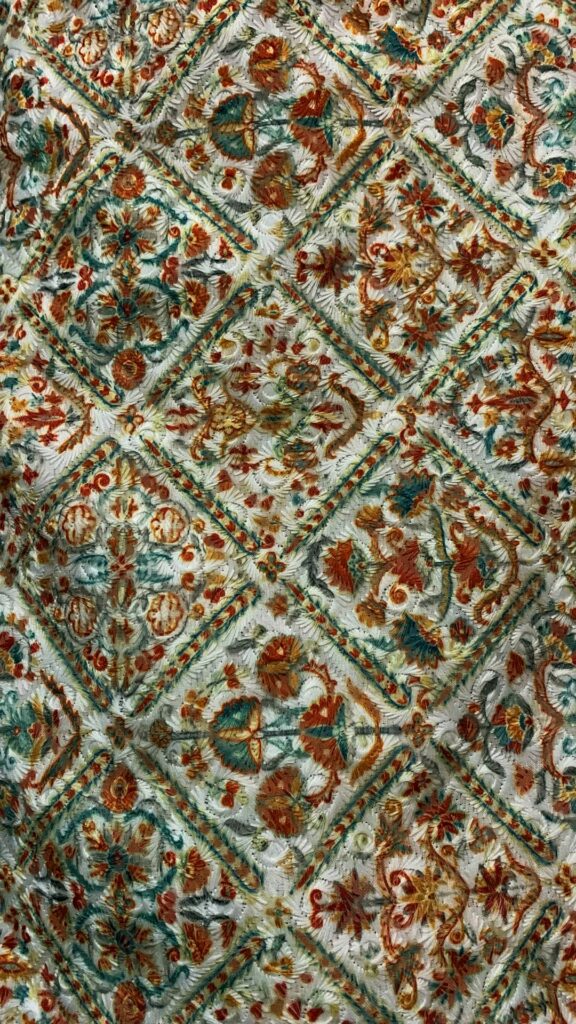
Zari work, a traditional Indian embroidery technique, has been a cornerstone of the country’s rich textile heritage for centuries. Characterized by intricate golden threads, this ancient craft has been a symbol of luxury, elegance, and cultural identity.
The art of zari work has been a vital part of Indian ethnic wear for centuries, adorning the garments of royalty, nobility, and common folk alike. This traditional embroidery technique has been a cornerstone of the country’s rich textile heritage, with its intricate golden threads weaving a narrative of luxury, elegance, and cultural identity. In recent years, zari work has experienced a resurgence in popularity, with designers incorporating this ancient craft into their modern designs. As a result, there is a growing interest in understanding the art of zari work, its history, and its significance in Indian ethnic wear.
In this article, we will delve into the world of zari work, exploring its origins, techniques, and applications in Indian ethnic wear. We will examine the different types of zari work, its cultural significance, and its role in modern fashion. By the end of this article, readers will gain a deeper understanding of the art of zari work and its importance in Indian ethnic wear, as well as insights into how to incorporate this traditional craft into their own fashion choices.
Origins and History of Zari Work
You may also enjoy reading
Floral Prints and Pastel Sarees: The Ultimate Spring Summer 2026 Fashion Forecast.
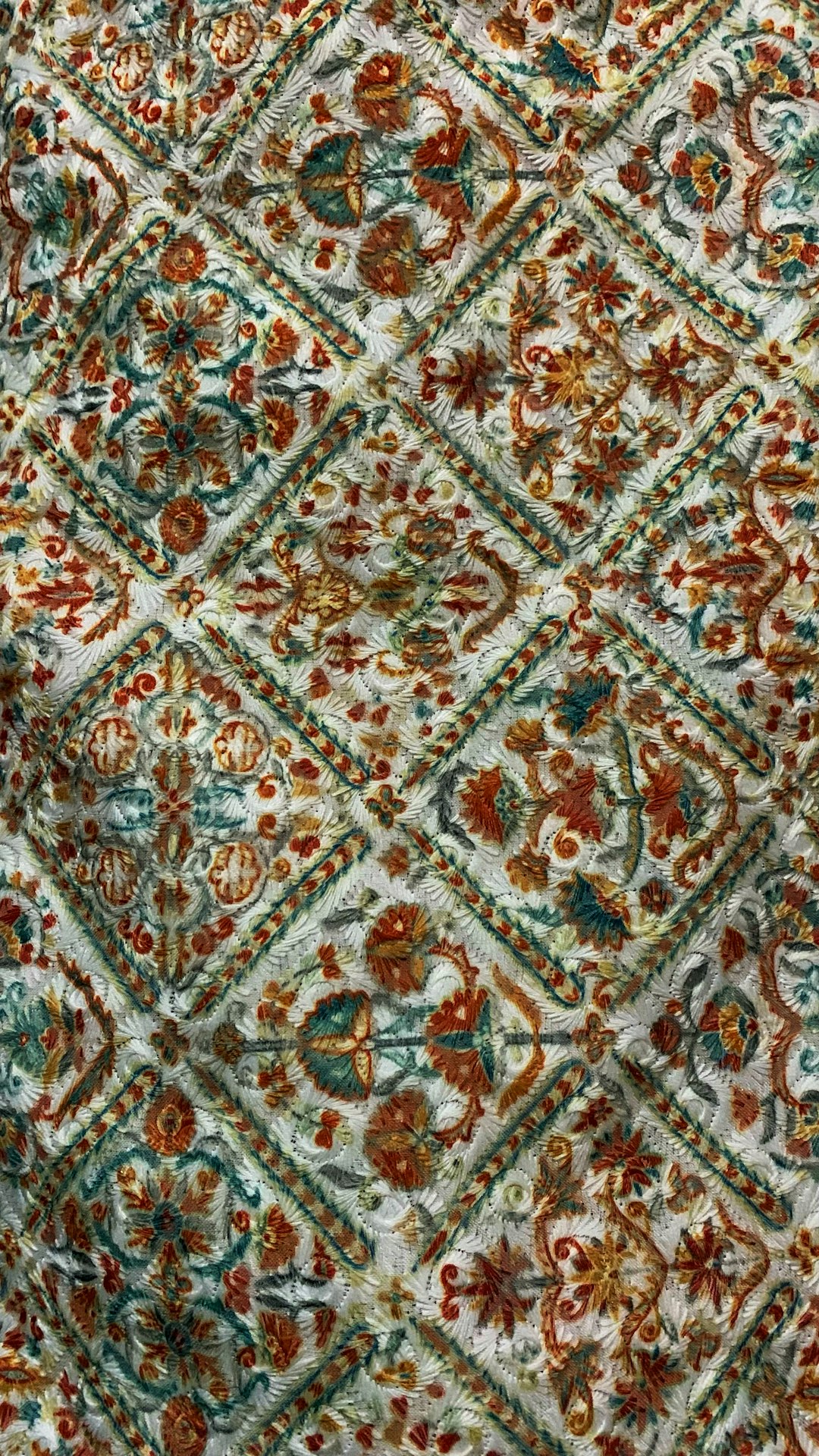
Zari work has its roots in ancient India, dating back to the Indus Valley Civilization. The word “zari” is derived from the Persian word “zar,” meaning “gold.” This traditional embroidery technique was initially used to adorn the garments of royalty and nobility, with intricate golden threads woven into intricate patterns and designs. Over time, zari work spread throughout the Indian subcontinent, with different regions developing their unique styles and techniques.

Techniques and Materials Used in Zari Work
Zari work involves the use of thin, metallic threads made from gold, silver, or copper. These threads are woven into intricate patterns and designs using a variety of techniques, including hand-embroidery, machine embroidery, and appliqué. The process of creating zari work is labor-intensive and time-consuming, requiring great skill and attention to detail. The materials used in zari work include:
* Metallic threads made from gold, silver, or copper
* Silk, cotton, or other fabrics
* Embroidery needles and hoops
* Scissors and other cutting tools
Types of Zari Work
There are several types of zari work, each with its unique characteristics and applications. Some of the most common types of zari work include:
* Hand-embroidered zari work: This type of zari work involves the use of hand-embroidery techniques to create intricate patterns and designs.
* Machine-embroidered zari work: This type of zari work involves the use of machine embroidery techniques to create intricate patterns and designs.
* Appliqué zari work: This type of zari work involves the use of appliqué techniques to create intricate patterns and designs.
Cultural Significance of Zari Work
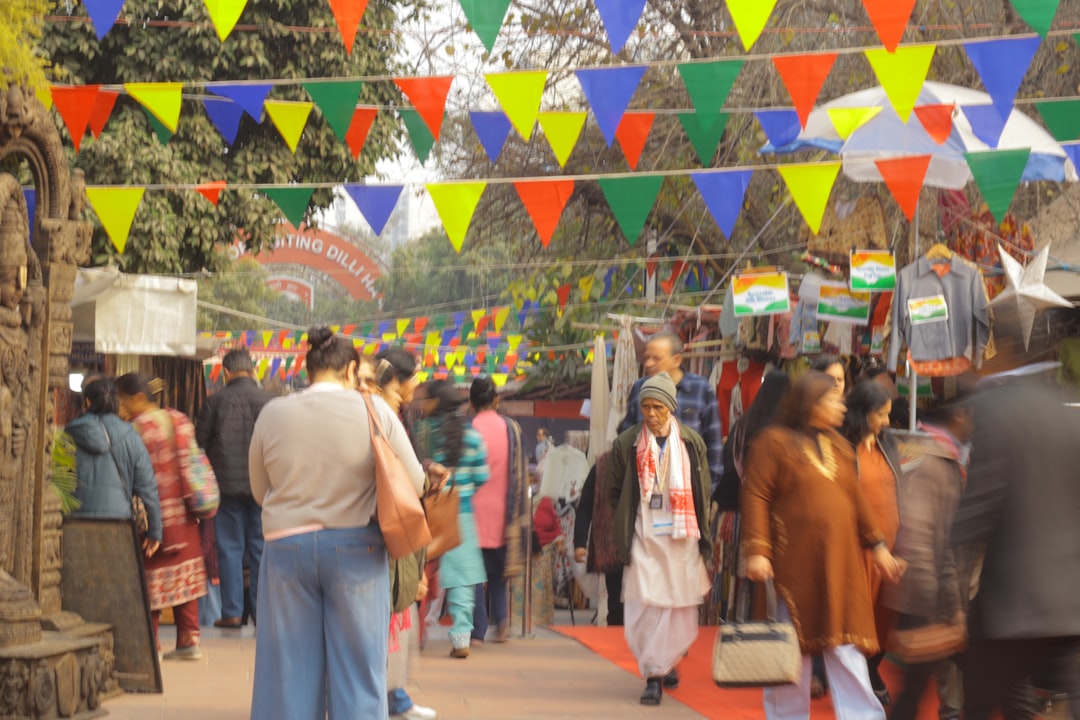
Zari work has significant cultural and symbolic meaning in Indian society. The use of golden threads is often associated with wealth, status, and power, while the intricate patterns and designs are often used to convey messages and tell stories. Zari work is also an important part of Indian festivals and celebrations, with traditional garments adorned with intricate zari work being worn on special occasions.
Common Mistakes to Avoid When Working with Zari
When working with zari, there are several common mistakes to avoid. These include:
* Using low-quality materials: Using low-quality materials can result in a poorly made garment that lacks the elegance and sophistication of traditional zari work.
* Not using the correct techniques: Using the wrong techniques can result in a garment that lacks the intricate patterns and designs characteristic of zari work.
* Not paying attention to detail: Zari work requires great attention to detail, and not paying attention to detail can result in a poorly made garment.
Frequently Asked Questions
What is the difference between zari work and embroidery?
Zari work is a type of embroidery that involves the use of metallic threads to create intricate patterns and designs. While embroidery can involve the use of a variety of materials and techniques, zari work is characterized by the use of metallic threads and intricate patterns.
How is zari work used in modern fashion?
Zari work is used in modern fashion to add a touch of elegance and sophistication to garments. Designers often incorporate zari work into their designs to create intricate patterns and designs that are both traditional and modern.
Can I learn zari work at home?
Yes, you can learn zari work at home. There are many online tutorials and videos that can teach you the basics of zari work. However, it is recommended that you take classes or workshops to learn the techniques and materials used in zari work.
How do I care for garments with zari work?
Garments with zari work require special care to maintain their elegance and sophistication. It is recommended that you dry clean or hand wash garments with zari work, and avoid exposing them to direct sunlight or heat.
Conclusion
In conclusion, the art of zari work is a traditional Indian embroidery technique that has been a cornerstone of the country’s rich textile heritage for centuries. With its intricate golden threads and intricate patterns, zari work is a symbol of luxury, elegance, and cultural identity. By understanding the history, techniques, and applications of zari work, readers can gain a deeper appreciation for this traditional craft and its importance in Indian ethnic wear. Whether you are a fashion designer, a textile enthusiast, or simply someone who appreciates the beauty of traditional crafts, the art of zari work is sure to inspire and delight.
