
The Evolution of Fashion: A Comprehensive Analysis
Fashion has been an integral part of human culture for centuries, with its significance extending beyond mere aesthetics to encompass social, cultural, and economic aspects. The fashion industry has undergone significant transformations over the years, influenced by various factors such as technological advancements, globalization, and shifting societal values. This article delves into the evolution of fashion, exploring its historical context, impact on society and culture, and the role of individual expression.
The Early Days of Fashion: A Historical Context
The origins of fashion date back to ancient civilizations, where clothing served as a means of distinguishing social status, occupation, and cultural identity. In ancient Greece and Rome, for instance, clothing was used to signify wealth, power, and social standing. The Middle Ages saw the rise of sumptuary laws, which regulated clothing based on social class, further solidifying the connection between fashion and social hierarchy. The Renaissance period marked a significant turning point in fashion history, as the rise of trade and commerce led to increased access to luxurious fabrics and textiles, paving the way for the development of haute couture.
The 19th and 20th centuries witnessed the emergence of ready-to-wear clothing, which democratized fashion and made it more accessible to the masses. The rise of department stores and mail-order catalogs further expanded the reach of fashion, allowing people to purchase clothing and accessories from the comfort of their own homes. The 1960s and 1970s saw the counterculture movement, which rejected mainstream fashion norms and embraced a more free-spirited, eclectic approach to style.
The Impact of Fashion on Society and Culture
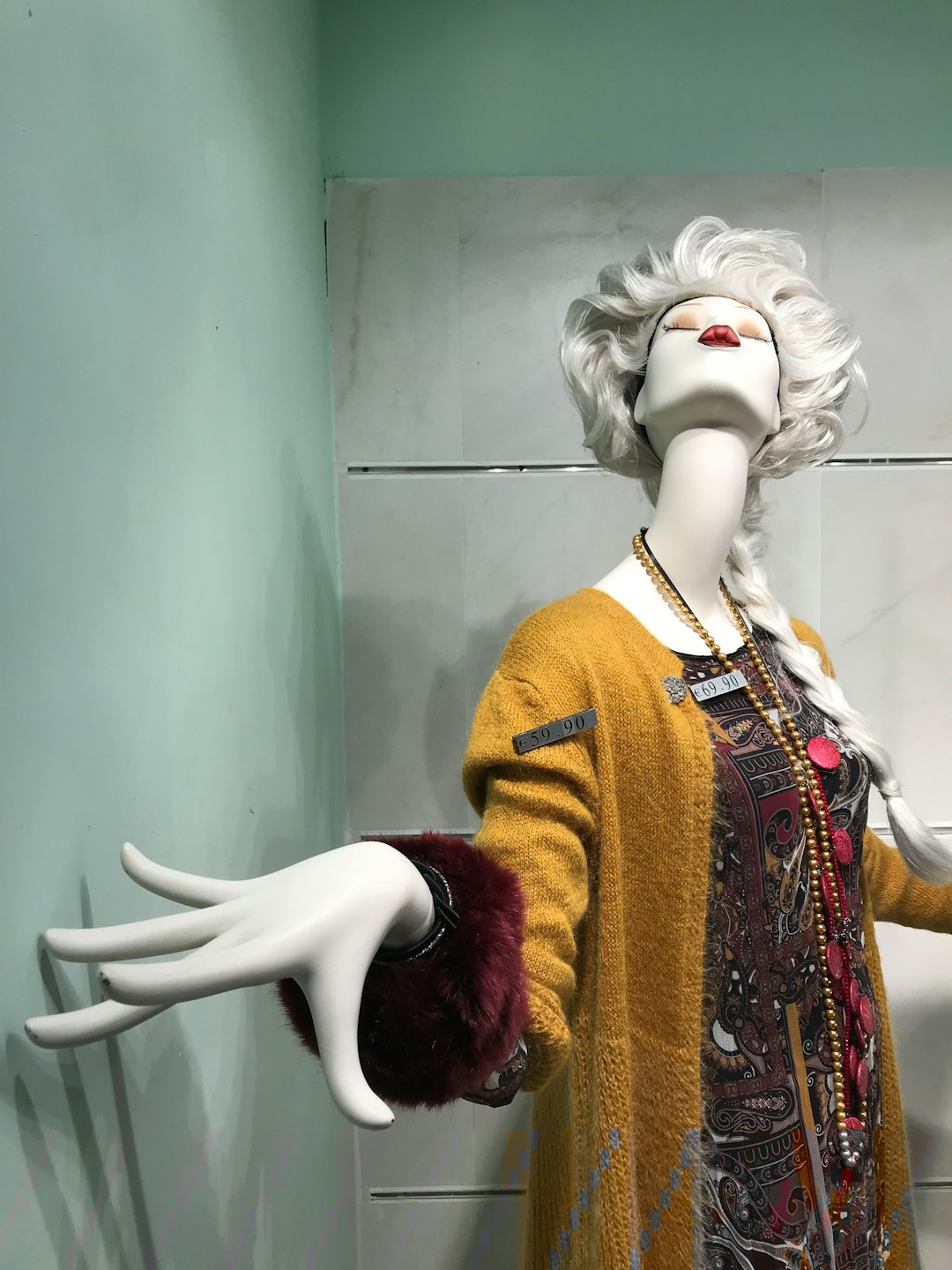
Fashion has played a significant role in shaping societal values and cultural norms. Throughout history, fashion has been used as a means of expressing social status, cultural identity, and individuality. The rise of streetwear, for instance, has been instrumental in bridging the gap between high-end fashion and everyday style, making luxury fashion more accessible and inclusive. Fashion has also been a driving force behind social change, with designers using their platforms to raise awareness about issues such as sustainability, body positivity, and diversity.
The fashion industry has also had a profound impact on popular culture, with designers collaborating with artists, musicians, and celebrities to create limited-edition collections and capsule lines. Fashion has been a driving force behind the rise of celebrity culture, with designers dressing A-listers for red-carpet events and fashion magazines featuring celebrities on their covers. The influence of fashion on popular culture extends beyond the realm of celebrity, with fashion trends often reflecting and shaping societal values and attitudes.
The Role of Individual Expression in Fashion
Individual expression has always been a fundamental aspect of fashion, with people using clothing and accessories to convey their personality, values, and attitudes. The rise of social media has further amplified the importance of individual expression in fashion, with people using platforms like Instagram and TikTok to showcase their personal style and connect with like-minded individuals. Fashion has become a means of self-expression, with people using clothing and accessories to communicate their values, interests, and passions.
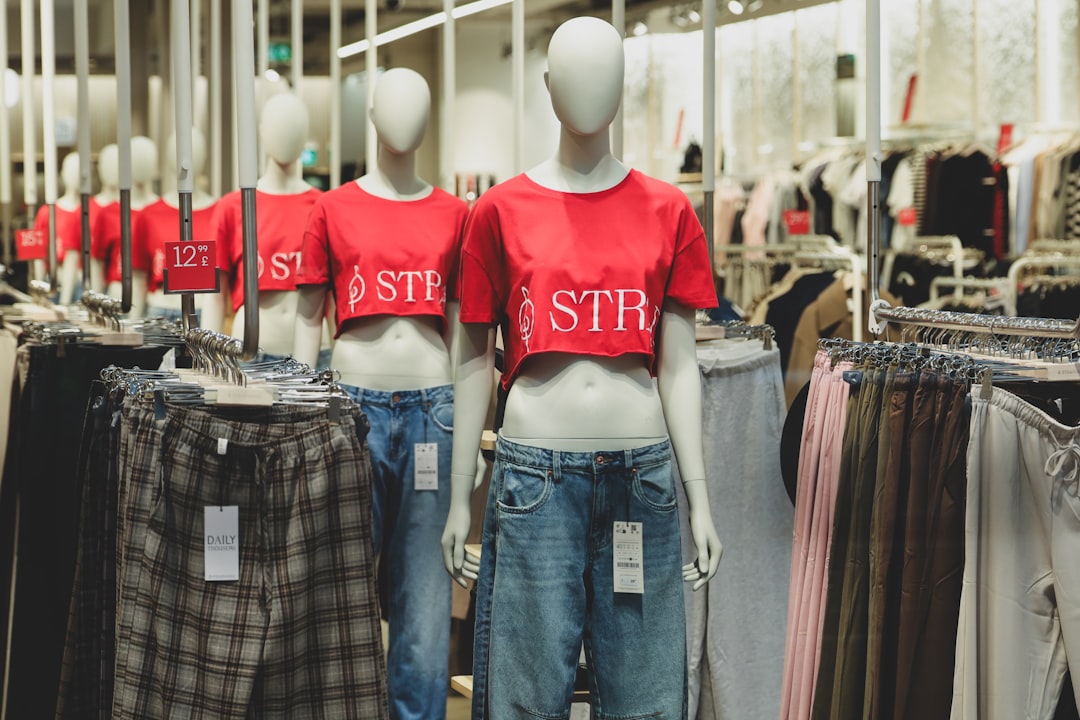
The concept of personal style has evolved significantly over the years, with people embracing a more eclectic and experimental approach to fashion. The rise of fast fashion has made it possible for people to experiment with different styles and trends without breaking the bank. However, this has also led to concerns about sustainability and the environmental impact of the fashion industry. As consumers become increasingly aware of the environmental and social implications of their purchasing decisions, the fashion industry is being forced to adapt and evolve.
The Future of Fashion: Sustainability and Technology
The fashion industry is at a crossroads, with concerns about sustainability and the environmental impact of fashion production becoming increasingly pressing. The rise of sustainable fashion has led to the development of eco-friendly materials, production methods, and business models. Designers are incorporating sustainable materials into their collections, and companies are adopting circular business models that prioritize reuse and recycling.
Technology is also playing a significant role in shaping the future of fashion. The rise of e-commerce has made it possible for people to shop from anywhere in the world, and social media has enabled designers to connect directly with their customers. The use of artificial intelligence and machine learning is being explored in fashion production, with companies using these technologies to optimize supply chains and reduce waste. Virtual and augmented reality are also being used to create immersive fashion experiences, allowing people to try on clothes and accessories virtually.
The Intersection of Fashion and Art
The intersection of fashion and art has been a longstanding one, with designers often drawing inspiration from art movements and collaborating with artists on limited-edition collections. The rise of conceptual fashion has led to the development of fashion as a form of artistic expression, with designers using clothing and accessories to make statements about society, culture, and politics.
The use of fashion as a means of artistic expression has led to the development of fashion exhibitions and museums, which showcase the work of designers and artists. The Metropolitan Museum of Art’s Costume Institute, for instance, has hosted exhibitions on designers such as Coco Chanel and Rei Kawakubo, highlighting the artistic and cultural significance of their work. Fashion has become a recognized art form, with designers being celebrated for their creativity, innovation, and technical skill.
