
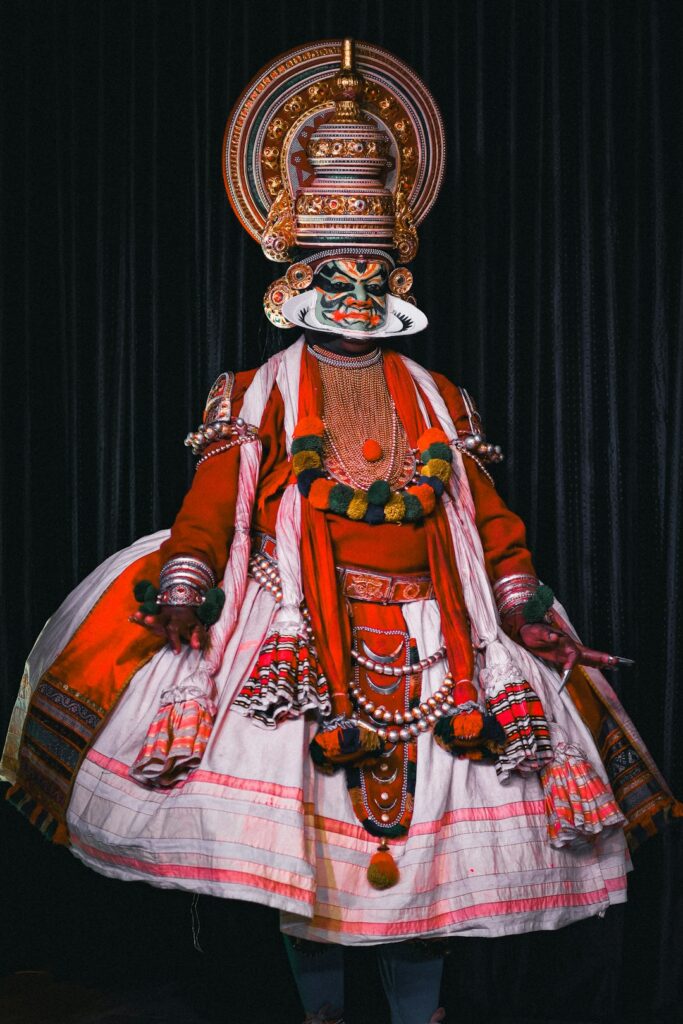
Trending Ethnic Wear Colors for Spring 2026: From Mint Green to Jewel Tones
As the world becomes increasingly interconnected, traditional ethnic wear is experiencing a resurgence in popularity. With the rise of social media, people are now more than ever inspired by diverse cultural heritage and eager to incorporate traditional elements into their wardrobe. For Spring 2026, the focus is on vibrant colors that reflect the beauty and richness of various ethnic cultures.
When it comes to ethnic wear, colors play a significant role in conveying cultural identity and heritage. Each color has its own unique significance and symbolism, making it essential to understand the cultural context behind them. In this article, we will delve into the trending ethnic wear colors for Spring 2026, exploring the inspiration behind them and how to incorporate them into your wardrobe. Whether you’re looking to make a statement or simply want to appreciate the beauty of traditional attire, this guide will provide you with the knowledge and inspiration you need.
From the soft pastels of Indian lehengas to the bold jewel tones of African dashikis, Spring 2026’s ethnic wear color palette is a vibrant reflection of the world’s diverse cultural heritage. In this article, we will explore the top trending colors, including mint green, coral red, turquoise blue, and emerald green. We will also discuss common mistakes to avoid when incorporating ethnic wear into your wardrobe and answer frequently asked questions about styling and accessorizing traditional attire.
Mint Green: The Soft and Soothing Hue of Indian Lehengas
You may also enjoy reading
3 Elegant Ways to Drape a Banarasi Silk Dupatta for Evening Parties.
Mint green is a popular color for Indian lehengas, symbolizing freshness and new beginnings. This soft pastel shade is perfect for Spring 2026, evoking feelings of serenity and calmness. To incorporate mint green into your wardrobe, pair a mint green lehenga with a contrasting dupatta and statement jewelry. For a more modern look, try pairing mint green with neutral shades like beige or ivory.
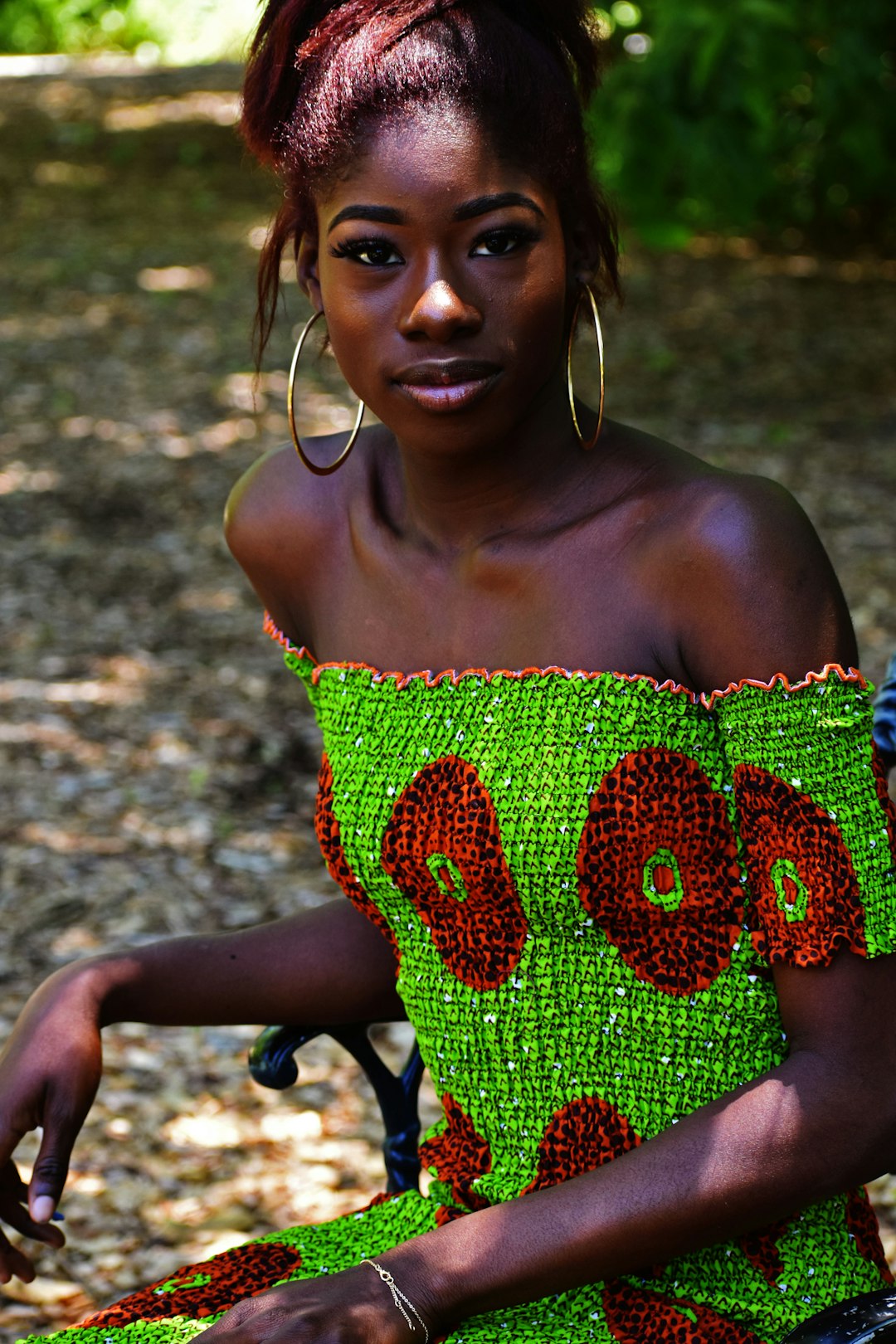
Coral Red: The Vibrant Hue of African Dashikis
Coral red is a bold and vibrant color commonly found in African dashikis. This stunning shade represents energy, passion, and creativity, making it perfect for Spring 2026. To style a coral red dashiki, pair it with neutral shades like white or black and add statement accessories like bold jewelry or a colorful headwrap.
Turquoise Blue: The Celestial Hue of Middle Eastern Kaftans
Turquoise blue is a popular color for Middle Eastern kaftans, symbolizing protection and good fortune. This celestial shade is perfect for Spring 2026, evoking feelings of tranquility and wisdom. To incorporate turquoise blue into your wardrobe, pair a turquoise blue kaftan with neutral shades like beige or cream and add statement accessories like bold jewelry or a colorful belt.
Emerald Green: The Luxurious Hue of Pakistani Salwar Kameez
Emerald green is a luxurious color commonly found in Pakistani salwar kameez. This stunning shade represents growth, harmony, and balance, making it perfect for Spring 2026. To style an emerald green salwar kameez, pair it with neutral shades like white or cream and add statement accessories like bold jewelry or a colorful dupatta.
Common Mistakes to Avoid When Incorporating Ethnic Wear into Your Wardrobe
When incorporating ethnic wear into your wardrobe, it’s essential to avoid common mistakes that can make your outfit look inauthentic or insensitive. One common mistake is cultural appropriation, where traditional attire is worn without understanding or respect for its cultural significance. To avoid this, research the cultural context behind the attire and ensure you’re not using it as a fashion statement without proper understanding.
Frequently Asked Questions
Q: How do I style a traditional ethnic outfit for a modern look?
A: To style a traditional ethnic outfit for a modern look, try pairing it with neutral shades and statement accessories. For example, pair a traditional Indian lehenga with a modern crop top and statement jewelry. You can also experiment with different fabrics and textures to add a modern twist to traditional attire.
Q: What are some common mistakes to avoid when wearing ethnic wear?
A: Some common mistakes to avoid when wearing ethnic wear include cultural appropriation, over-accessorizing, and not understanding the cultural significance behind the attire. To avoid these mistakes, research the cultural context behind the attire and ensure you’re not using it as a fashion statement without proper understanding.
Q: How do I choose the right ethnic wear color for my skin tone?
A: To choose the right ethnic wear color for your skin tone, consider your skin’s undertones. If you have cool undertones, look for colors like blue, green, and purple. If you have warm undertones, look for colors like orange, yellow, and red. You can also experiment with different colors to find what works best for you.
Q: Can I wear ethnic wear to formal events?
A: Yes, you can wear ethnic wear to formal events. In fact, traditional attire can make a stunning statement at formal events. To style ethnic wear for a formal event, pair it with statement accessories and keep the rest of your outfit simple. You can also experiment with different fabrics and textures to add a luxurious touch to your outfit.
Conclusion
In conclusion, Spring 2026’s ethnic wear color palette is a vibrant reflection of the world’s diverse cultural heritage. From mint green to jewel tones, each color has its own unique significance and symbolism. By understanding the cultural context behind these colors and incorporating them into your wardrobe, you can make a statement and appreciate the beauty of traditional attire. Remember to avoid common mistakes like cultural appropriation and over-accessorizing, and don’t be afraid to experiment with different colors and styles to find what works best for you.
