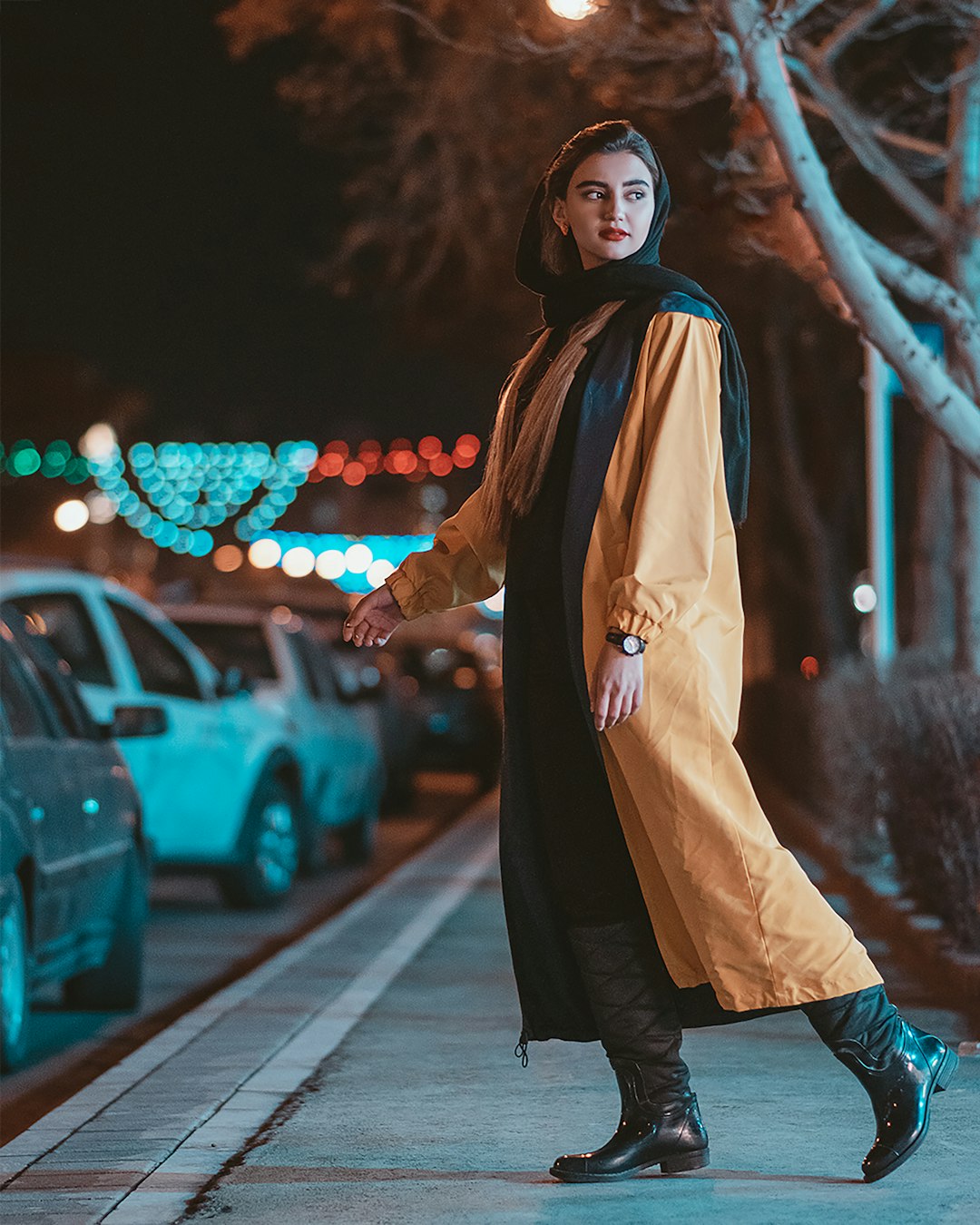
The first thing you notice when you walk into a Banarasi silk showroom in 2026 is not what is there. It is what is missing. The heavy, gold-drenched bridal sarees that defined the category for decades are still there — but they share the rack with something new: pastel organzas, minimalist tissue silks, and unstitched suit pieces in colors that would have been unthinkable five years ago.
Mint green. Dusty rose. Champagne. Ivory. Charcoal.
The Banarasi silk industry is undergoing the most significant aesthetic shift in its modern history, and it is being driven not by the weavers of Varanasi or the wholesalers of Surat, but by a generation of Indian women under thirty-five who want the craft without the costume.
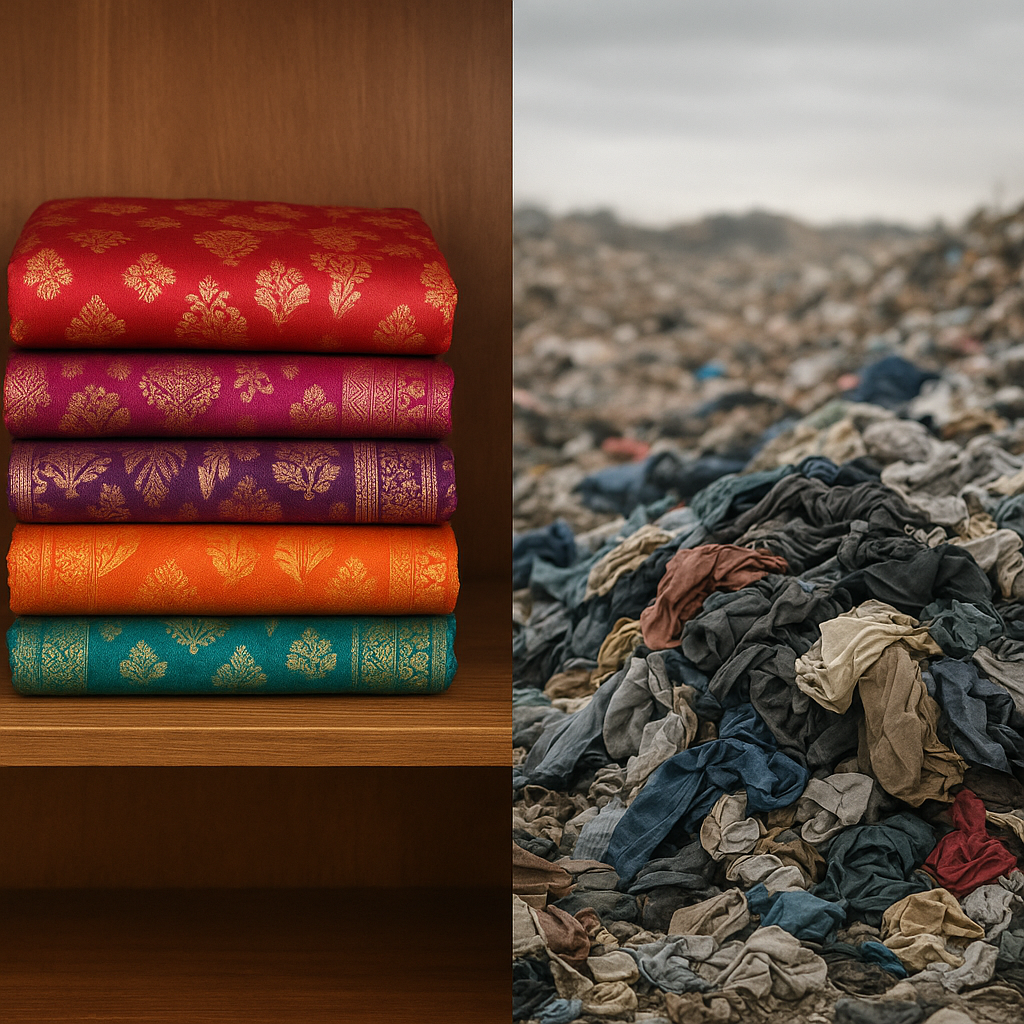
What Changed
Three forces converged between 2023 and 2026 to reshape Banarasi silk:
1. The Instagram Effect. The visual language of Indian fashion moved from heavy and ornamental to soft and editorial. Pinterest searches for “minimalist saree” increased 340% year-over-year. Bridal photography shifted from posed studio shots to candid, natural-light documentary. The heavy zari jall that photographed as a flat gold mass under studio lights began to look dated next to the softer, more textured organzas that caught light naturally.
2. The Comfort Economy. Post-pandemic, Indian women stopped tolerating discomfort as a price of beauty. A 700-gram katan silk saree that takes fifteen minutes to drape and restricts movement is no longer acceptable for a destination wedding or a cocktail event. Organza (250 to 400 grams) and tissue silk (350 to 500 grams) became the answer — lighter, more breathable, and easier to drape in modern styles.
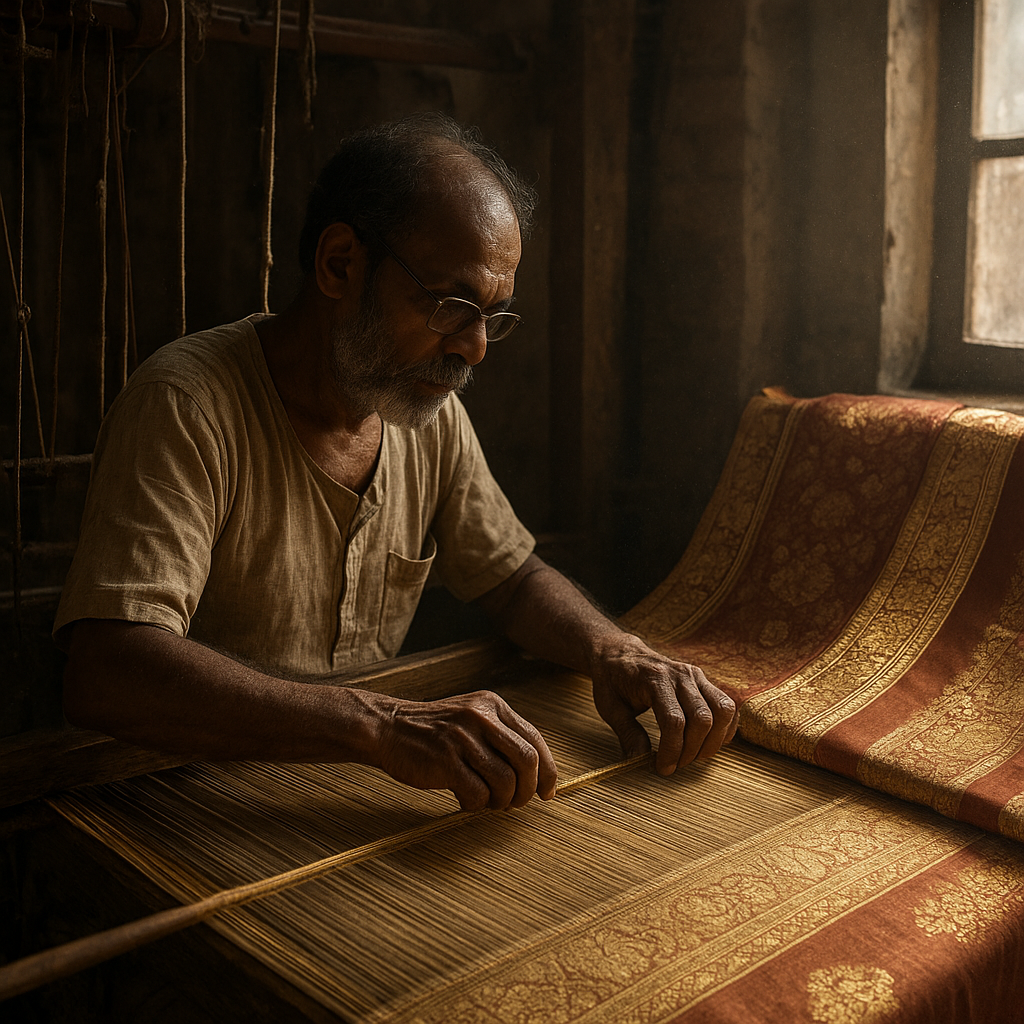
3. The Weaver Crisis. With fewer than 35,000 active handloom weavers in Varanasi (down from 120,000 in the 1990s), the supply of heavy katan silk is shrinking. Weavers prefer lighter organza work because it takes fewer days per piece, meaning more income per month. The market is not just demanding lighter silks — the weavers are choosing to make them.
The New Banarasi Vocabulary
If you are shopping for Banarasi silk in 2026, you need a new vocabulary. The old terms — katan, jall, butta, meena — are still relevant, but they are now joined by a new lexicon:
Tissue Silk
A crisp, lightweight silk (350 to 500 grams per saree) with a metallic sheen. Tissue is not new — it has existed for decades — but in 2026 it has become the fabric of choice for daytime weddings, mehndi functions, and cocktail events. It photographs beautifully in natural light and costs less than katan (Rs 1,800 to Rs 4,500 vs Rs 2,500 to Rs 7,000).
Organza Banarasi
The breakout fabric of 2024 to 2026. Organza is sheer, lightweight (250 to 400 grams), and translucent. Banarasi weavers have adapted their techniques to work with organza — the zari is lighter, the motifs are more spaced out, and the pallu is often the only heavily worked section. Organza Banarasi sarees cost Rs 3,500 to Rs 8,000 and are the fastest-growing category in the Nisa Silk Fab catalog.
Siffone Khadi
A blend of silk and cotton (typically 60/40) that gives the appearance of pure silk but with the breathability of cotton. Siffone khadi is the fabric of choice for summer weddings and daytime events. It costs Rs 1,500 to Rs 3,000 and is nearly indistinguishable from pure silk in photographs.
Crushed Tissue
Tissue silk that has been intentionally crushed to create a textured, slightly iridescent surface. Popular for evening events and cocktail parties. The crushed texture catches light differently at every angle, making it highly photogenic. Rs 2,000 to Rs 4,500.
Color Trends 2026
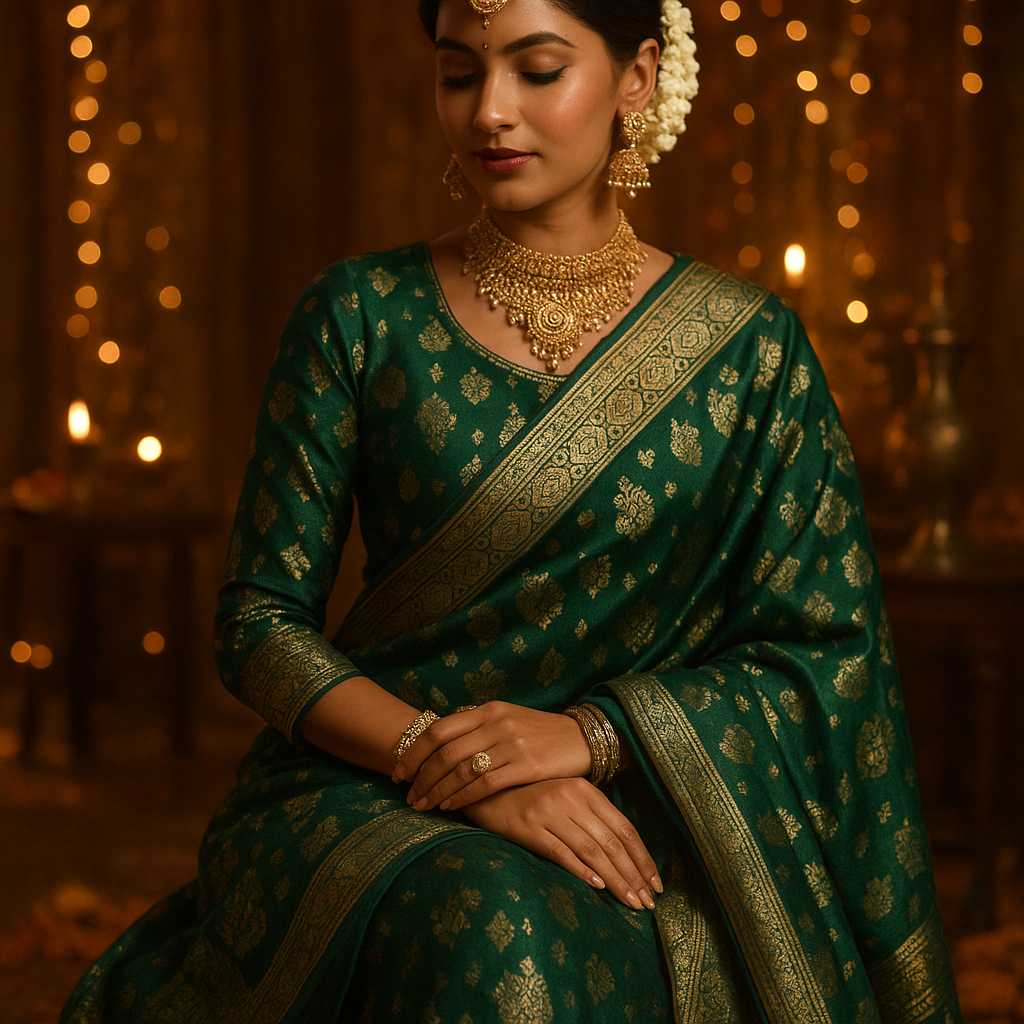
The color palette of Banarasi silk has shifted dramatically. Here is what is selling in 2026:
| Tier | Colors | Best For |
|---|---|---|
| Editorial Neutrals | Ivory, champagne, pearl grey, soft white | Cocktail, reception, pre-wedding shoots |
| Pastel Jewel | Dusty rose, mint green, powder blue, lavender | Daytime weddings, mehndi, sangeet |
| Modern Earth | Terracotta, olive, mustard, burnt orange | Autumn weddings, festive, Diwali |
| Classic Deep | Maroon, ruby, emerald, sapphire | Main wedding ceremony, traditional functions |
| Statement Dark | Charcoal, black, deep plum, midnight blue | Evening events, winter weddings |
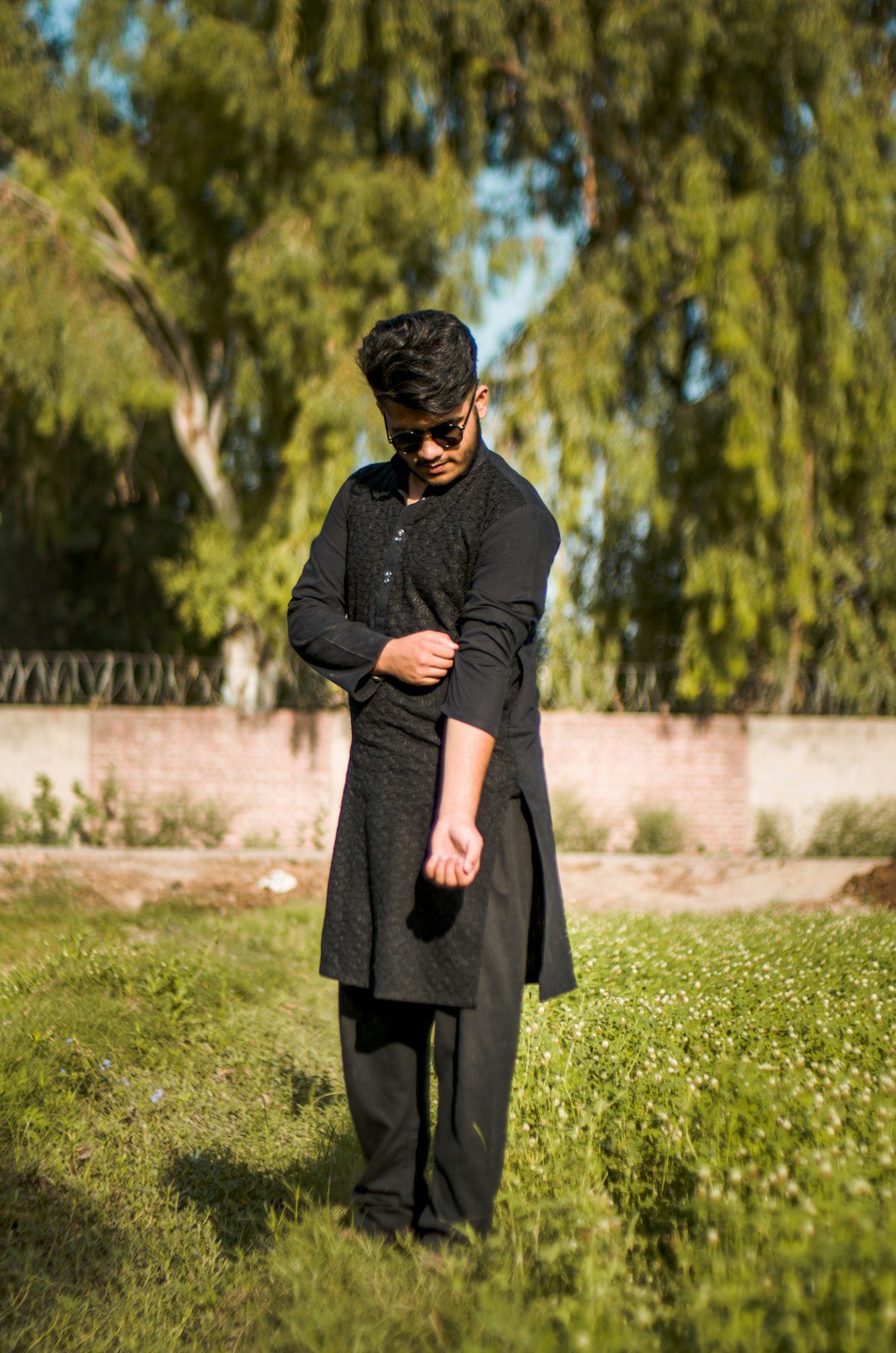
The biggest surprise of 2026: black Banarasi sarees. Once considered inauspicious, black has become the fastest-growing color in the category, driven by younger buyers who see it as elegant rather than taboo. A black tissue Banarasi with silver zari is the most requested piece at Nisa Silk Fab this year.
The Unstitched Revolution
The fastest-growing category in Banarasi silk is not sarees. It is unstitched suit pieces. Here is why:
- Value: An unstitched Banarasi suit piece (top + dupatta + bottom) costs Rs 1,500 to Rs 4,000 — half the price of a comparable saree.
- Versatility: The same piece can be stitched as a salwar kameez, a palazzo suit, or a lehenga-style outfit.
- Fit: Ready-made saree blouses are a compromise. Unstitched fabric lets you get a perfect custom fit.
- Export-ready: NRI buyers and international shipping favor unstitched pieces (lower shipping weight, no sizing issues).
Browse our unstitched Banarasi collection — prices start at Rs 1,360.
What This Means for You
If you are buying Banarasi silk in 2026, the rules have changed:
- You do not need to spend Rs 15,000 to get authentic handloom. Tissue and organza Banarasi start at Rs 1,800 and are genuine handloom pieces.
- Lighter is not lesser. A 300-gram organza is not “less authentic” than a 700-gram katan. It is a different fabric for a different purpose.
- Pastels are not a trend. They are the new default. If you are buying for a wedding under thirty-five, pastels will photograph better than deep traditional colors.
- Buy unstitched if you can. The value is better, the fit is better, and the versatility is unmatched.
Frequently Asked Questions
Is organza real silk?
Yes. Organza is a silk fabric made from the same mulberry silk yarn as katan. The difference is in the weaving — organza uses untwisted yarns in an open weave, making it sheer and lightweight. It is 100% pure silk.
Can I wear Banarasi organza for my wedding?
For the main ceremony, katan is still the traditional choice. But for mehndi, haldi, sangeet, and reception, organza is now the most popular fabric — lighter, more photogenic, and more comfortable for long events.
Are pastel Banarasi sarees traditional?
The colors are modern, but the weaving technique is centuries old. Pastel Banarasi sarees use the same handloom, the same zari, and the same motifs as traditional pieces — just in a contemporary palette.
Where can I buy modern Banarasi silk online?
Our Banarasi saree collection includes both traditional katan and modern organza/tissue pieces. Every piece is handloom-certified and sourced directly from weaver families in Varanasi.
This article is part of our Fashion Trends series. For more, read our Katan vs Organza comparison guide or Pure Silk vs Art Silk identification guide.