
There is something undeniably captivating about Banarasi silk. For centuries, this exquisite fabric has graced the wardrobes of royalty, adorned brides during their most cherished ceremonies, and become a treasured heirloom passed down through generations. But how did a craft born in the ancient city of Varanasi become one of the world’s most coveted textiles?
Today, Banarasi silk stands at the intersection of tradition and modernity—a fabric that honours its deep-rooted heritage while remaining relevant in contemporary fashion. Whether you are drawn to its sumptuous texture, its intricate weaving techniques, or its profound cultural resonance, Banarasi silk offers a connection to something far greater than a mere piece of cloth.
In this article, we invite you to discover the fascinating history, the meticulous artistry, and the enduring allure of Banarasi silk.
The Origins: A Legacy Woven in Varanasi
Ancient Beginnings
The origins of Banarasi silk can be traced back over 500 years to the Mughal era in India. Under the patronage of Mughal emperors, the city of Varanasi—known as Kashi among locals—became a thriving centre for silk weaving. The Mughals, with their refined aesthetic sensibilities, demanded nothing less than perfection, and this demand gave rise to a craft that would soon become synonymous with luxury.
Skilled artisans, drawn from regions across the Indian subcontinent, settled in Varanasi and brought with them diverse weaving techniques. The result was a unique fusion of styles—Persian motifs meeting Indian artistry, creating patterns and textures previously unseen.
The Mughal Connection
It was during the Mughal period that Banarasi silk truly blossomed. Court weavers were commissioned to create elaborate fabrics for the emperor’s family and nobility. These weren’t simply garments—they were statements of power, wealth, and status. The intricate zari work (gold and silver thread embroidery) that characterises Banarasi silk today evolved during this era, inspired by Persian carpet weaving.
The tradition of royal patronage meant that weavers were given the time, resources, and creative freedom to perfect their craft. Every bolt of fabric became a testament to human skill and patience.
The Art of Banarasi Silk: Techniques and Traditions
Understanding the Weave
What sets Banarasi silk apart is the complexity of its construction. Unlike machine-made fabrics, authentic Banarasi silk is woven on handlooms by skilled artisans—a process that can take anywhere from 15 days to several months depending on the complexity of the design.
The hallmark of genuine Banarasi silk lies in its:
- Zari Work: Intricate embroidery using gold, silver, or copper threads
- Rich Motifs: Designs inspired by nature, Mughal architecture, and ancient symbolism
- Heavy Texture: A substantial, lustrous feel that drapes beautifully
- Border Patterns: Distinctive pedana (border) designs that identify the fabric’s origin
Types of Banarasi Silk
Not all Banarasi silk is created equal. The fabric encompasses several varieties, each with unique characteristics:
| Type | Description |
|---|---|
| Katan Silk | Pure silk woven from twisted yarns; the most traditional variety |
| Organza (Kora) | A sheer, lightweight silk with a subtle lustre |
| Georgette | A flowing, slightly crinkled texture |
| Crepe | A textured weave with a soft drape |
| Shataban | A heavier silk with intricate brocade patterns |
Cultural Significance: Beyond the Fabric
A Wedding Essential
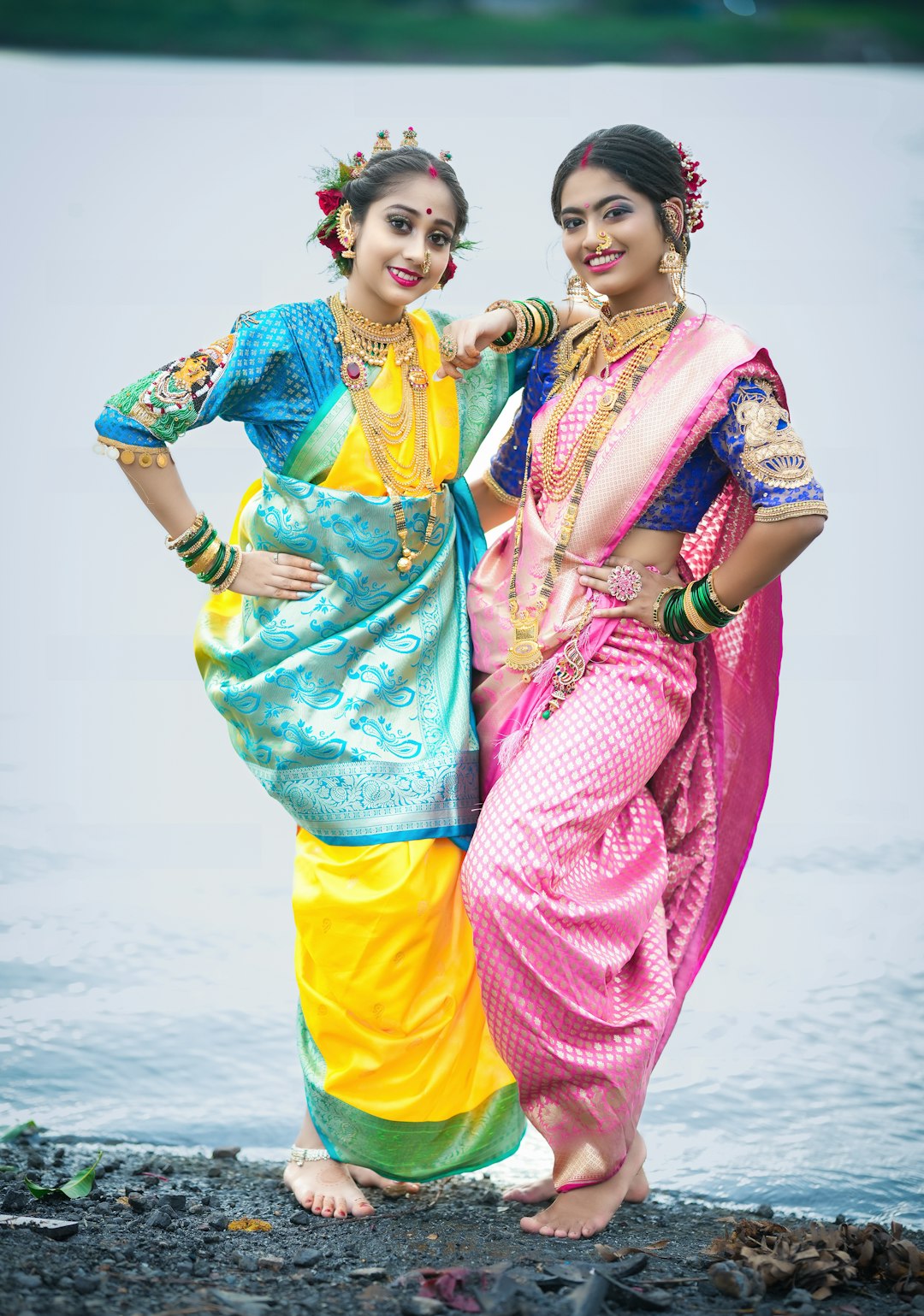
In Indian culture, few fabrics carry the emotional weight of Banarasi silk. It is the fabric of choice for bridal wear across North India, particularly in Uttar Pradesh and Bihar. A bride draped in Banarasi silk is connecting to centuries of tradition—a living link to the women who wore this same fabric before her.
The banarasi saree is not merely an outfit; it is a cultural artefact. Its heavy borders and intricate pallu (the loose end of the saree) symbolise prosperity and marital bliss. When a mother drapes her daughter in Banarasi silk, she is bestowing blessings wrapped in heritage.
Religious and Ceremonial Connections
Beyond weddings, Banarasi silk has deep roots in religious and ceremonial life. It is the preferred fabric for offering to deities in temples, for important pujas, and for milestone celebrations. The city’s ancient association with spirituality—that Varanasi is considered one of Hinduism’s holiest cities—infuses every thread with layered meaning.
The Symbolism of Motifs
Every motif woven into Banarasi silk carries significance:
- Paisley (Boteh): Represents fertility, life, and eternity
- Jali (Net Pattern): Echoes the lace-like screens of Mughal architecture
- Kalash (Pot): Symbolises prosperity and abundance
- Almond (Badam): Represents wish-fulfilment and blessings
The Journey to Modern Wardrobes
From Royal Courts to Global Runways
The 20th and 21st centuries witnessed Banarasi silk transcend its royal origins. As India gained independence and fashion evolved, this heritage fabric found new admirers. Designers began reimagining Banarasi silk for contemporary silhouettes—lehengas, anarkalis, and fusion ensembles that honoured tradition while embracing modernity.
Today, Banarasi silk appears on international runways, in celebrity wardrobes, and in the curated collections of fashion houses worldwide. Yet, remarkably, it has not lost its soul. The handloom weavers of Varanasi continue to use techniques passed down through generations, ensuring that each piece retains its authentic character.
Sustainable Fashion’s Best Friend
In an era of fast fashion, Banarasi silk stands as a beacon of sustainability. Unlike synthetic fabrics that contribute to environmental degradation, handwoven silk is:
- Biodegradable: A natural fibre that returns to the earth
- Durable: With proper care, a Banarasi silk piece can last decades—sometimes a lifetime
- Artisan-Supported: Every purchase directly sustains livelihoods in Varanasi’s weaving communities
When you invest in Banarasi silk, you are making an ethical choice that honours both people and planet.
Caring for Your Banarasi Silk
Practical Advice
To preserve the beauty and longevity of your Banarasi silk pieces, follow these essential care tips:
Washing:
- Always dry clean your Banarasi silk, especially those with heavy zari work
- If washing is unavoidable, use cold water and a gentle silk-specific detergent
- Never wring or twist the fabric; gently squeeze out excess water
Storage:
- Store in a cool, dry place away from direct sunlight
- Wrap in soft, breathable cotton cloth—never plastic
- Include cedar chips or neem leaves to protect against moths
Handling:
- Keep perfumes and lotions away from the fabric
- Iron on low heat using a pressing cloth
- Avoid hanging heavy Banarasi garments for extended periods
Frequently Asked Questions
Is Banarasi silk only for sarees?
Not at all. While Banarasi silk sarees are the most traditional expression, the fabric is increasingly used in lehengas, anarkali suits, dupattas, and fusion dresses. Contemporary designers have embraced Banarasi silk for gowns, jackets, and even menswear like bandhgala (Nehru collar) jackets. The versatility of the fabric makes it suitable for both ethnic and Indo-western outfits.
How can I tell if Banarasi silk is authentic?
Authentic Banarasi silk carries certain hallmarks:
- The ‘Silk Mark’ certification issued by the Silk Mark Organisation of India
- A slight unevenness in the weave—handwoven fabric is never perfectly uniform
- Heavy weight relative to its size
- Intricate, dense patterns that are difficult to replicate by machine
- A natural sheen that cannot be mimicked by synthetic alternatives
If the price seems too good to be true, it likely is. Quality Banarasi silk is an investment.
Why is Banarasi silk expensive?
The cost reflects several factors:
- Labour Intensity: Each piece requires hundreds of hours of skilled handwork
- Rare Materials: Genuine zari uses real gold and silver threads
- Artisan Skill: Weavers train for years to master the craft
- Time: Complex designs can take months to complete
When you purchase Banarasi silk, you are not just buying fabric—you are supporting a centuries-old tradition and the livelihoods of artisan families.
Can Banarasi silk be worn in summer?
While Banarasi silk is heavier than cotton, it is surprisingly breathable. Pure silk naturally regulates temperature, keeping you cool in summer and warm in winter. For summer occasions, opt for lighter varieties like organza or georgette Banarasi silk, which offer elegance without the weight.
Conclusion: Invest in a Living Heritage
Banarasi silk is far more than a luxury fabric—it is a living testament to human creativity, perseverance, and cultural pride. Every thread tells a story that began centuries ago in the looms of Varanasi, continued through the hands of master artisans, and now finds its place in your wardrobe.
When you choose Banarasi silk, you are making a statement. You are celebrating heritage. You are supporting artisan communities. You are investing in something truly timeless.
At Nisa Silk Fab, we are honoured to bring you authentic, handcrafted Banarasi silk that honour this extraordinary legacy. Explore our collection and discover the fabric that has captivated generations.
You may also enjoy reading:
