How to Style a Heavy Silk Dupatta with a Simple Elegant Dress for Eid 2026
Eid is a time for celebration, and what better way to celebrate than by dressing up in your finest attire? For many women, Eid is an opportunity to showcase their cultural heritage through their clothing choices. One of the most iconic and timeless pieces of clothing in many Eastern cultures is the dupatta. A dupatta is a long, flowing scarf that can be worn in a variety of ways to add a touch of elegance and sophistication to any outfit. In this article, we will explore how to style a heavy silk dupatta with a simple elegant dress for Eid 2026.
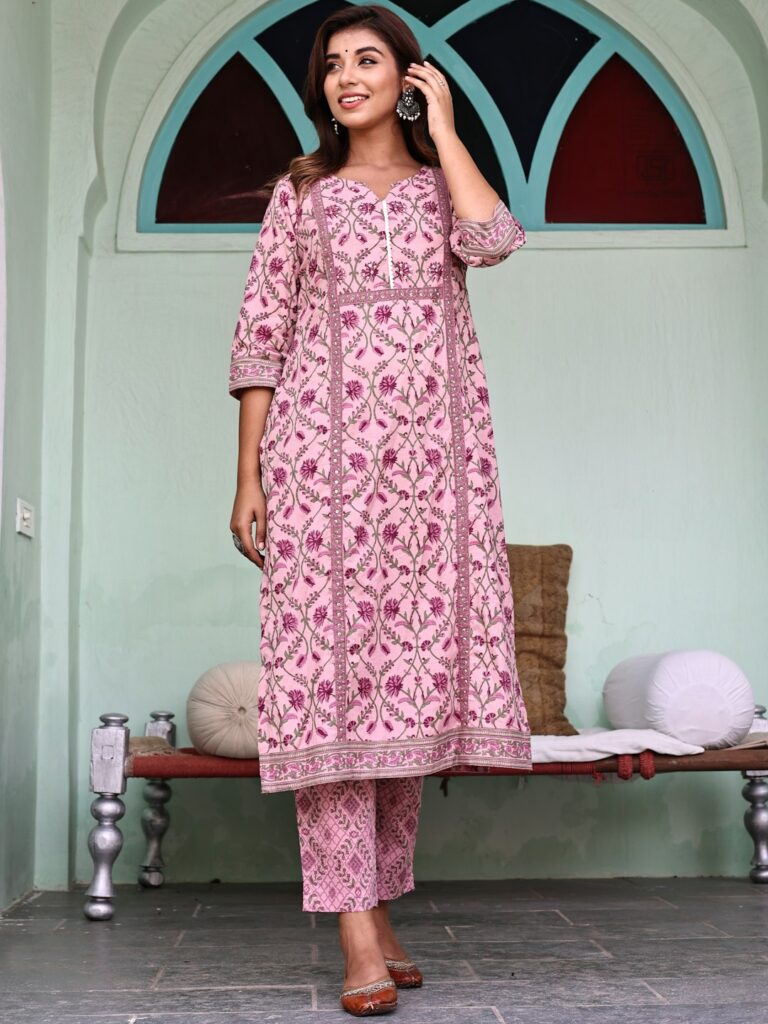
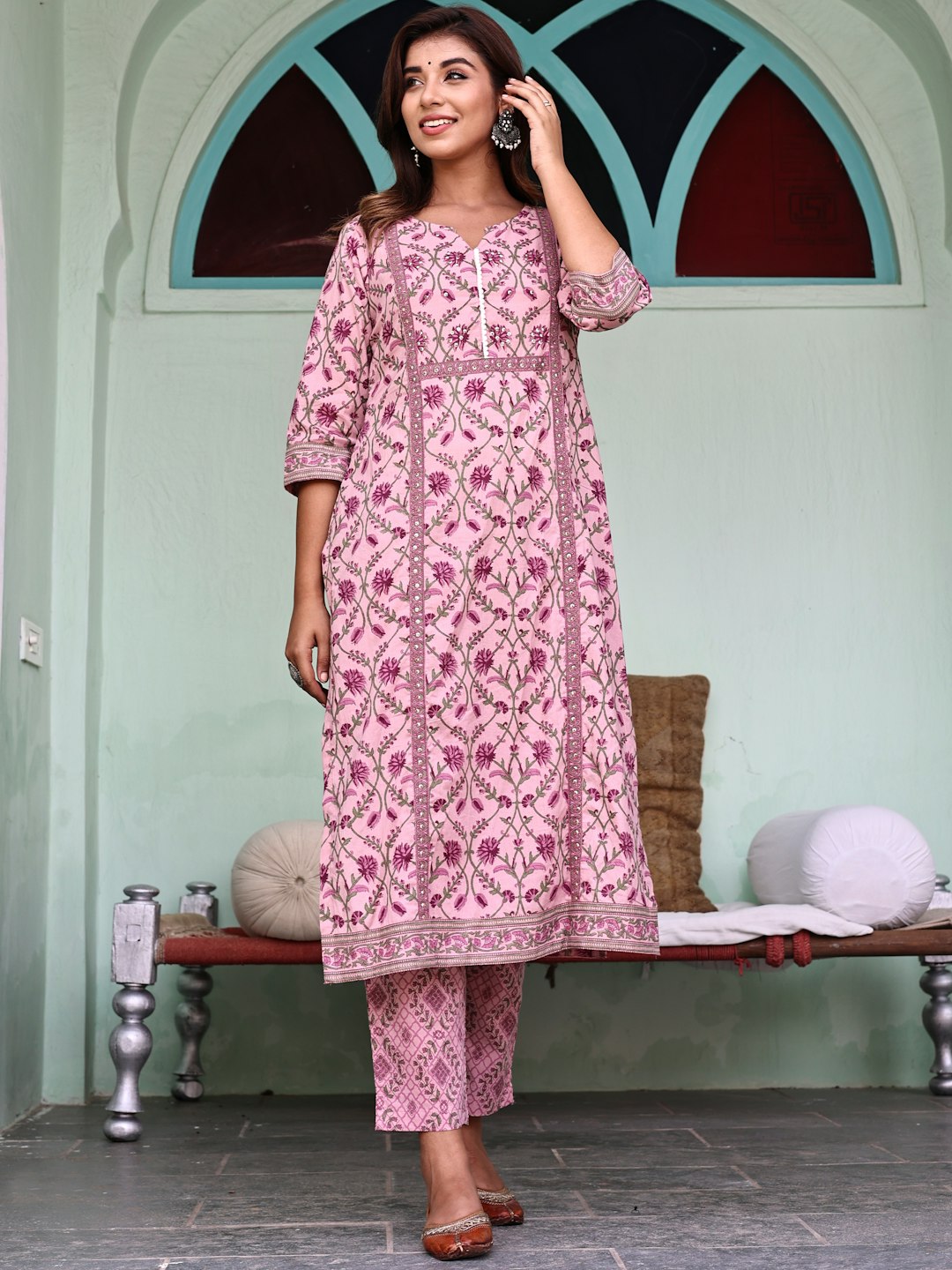
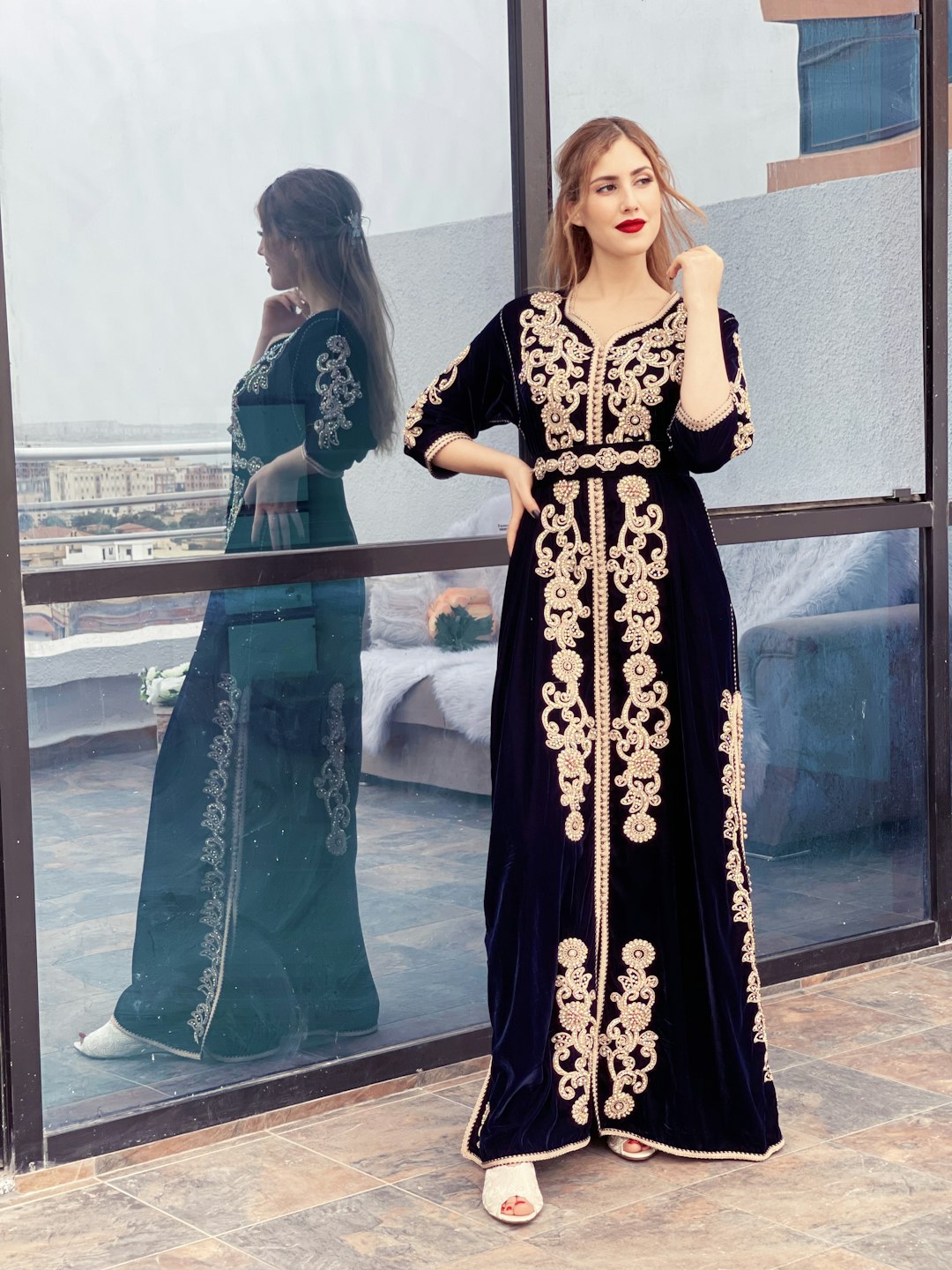
When it comes to styling a dupatta, the possibilities are endless. From draping it elegantly over the shoulders to tying it around the waist, the dupatta is a versatile piece of clothing that can be worn in many different ways. However, when it comes to pairing a heavy silk dupatta with a simple elegant dress, there are a few things to keep in mind. First and foremost, it's essential to choose a dress that complements the dupatta without overpowering it. A simple elegant dress in a lightweight fabric such as cotton or chiffon is the perfect choice. The dress should be a solid color or have a subtle pattern that won't compete with the dupatta for attention.
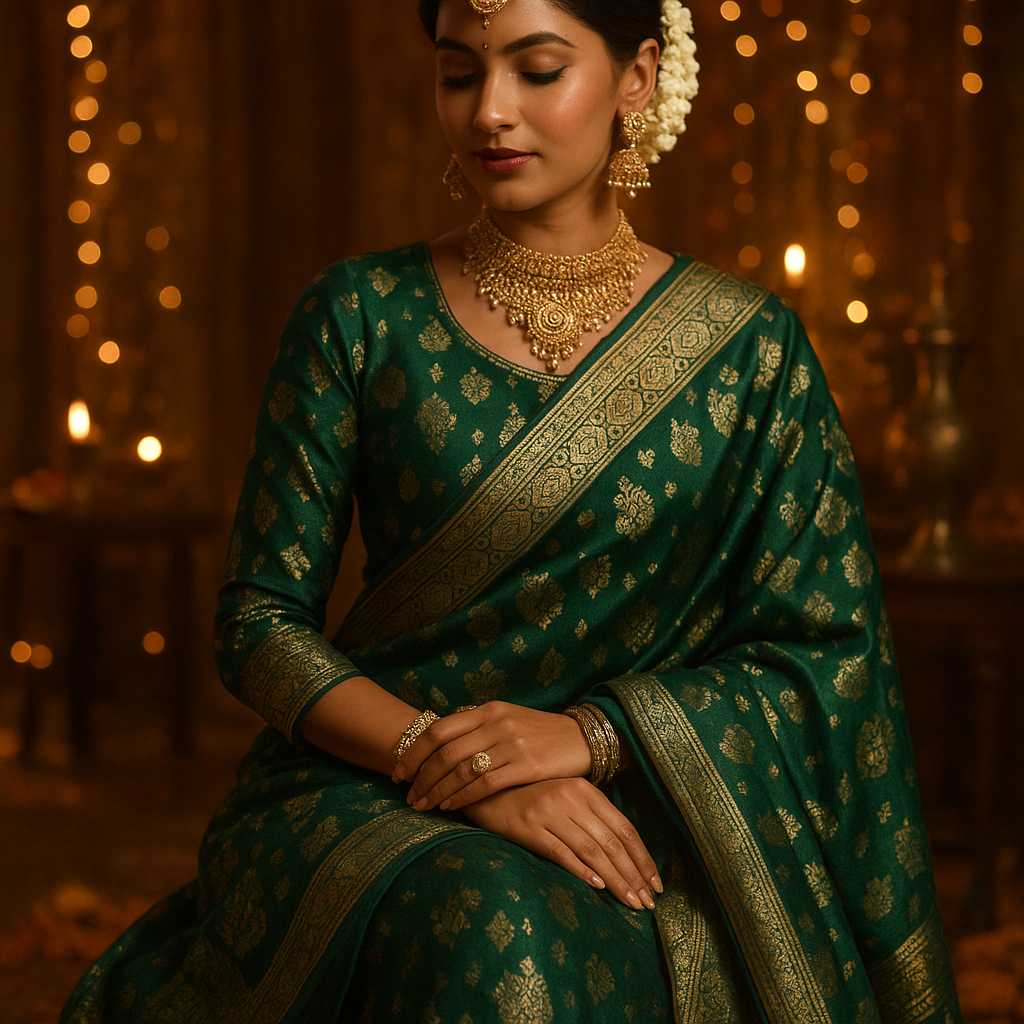
In addition to choosing the right dress, it's also crucial to consider the occasion and the overall aesthetic you want to achieve. Eid is a time for celebration, so you'll want to choose a dress and dupatta combination that is festive and elegant. A heavy silk dupatta in a rich jewel-toned color such as emerald green or sapphire blue is perfect for Eid. The dupatta can be draped elegantly over the shoulders or tied around the waist to add a touch of sophistication to the outfit. With the right dress and dupatta combination, you'll be sure to turn heads at any Eid celebration.
The Core Trend & History
The dupatta has a rich history that dates back thousands of years. In ancient India, the dupatta was worn as a symbol of modesty and respectability. It was typically made of lightweight fabrics such as cotton or silk and was worn draped over the shoulders or tied around the waist. Over time, the dupatta evolved to become a fashion statement in its own right. Today, the dupatta is a staple in many Eastern cultures and is worn on special occasions such as weddings and Eid celebrations.
In recent years, the dupatta has experienced a resurgence in popularity, with many designers incorporating it into their collections. The dupatta is no longer just a traditional piece of clothing but has become a fashion trend in its own right. With the rise of social media, the dupatta has become a staple in many fashion influencers' wardrobes, with many showcasing their favorite ways to style the dupatta on Instagram and other platforms.
Step-by-Step Styling Guide
Styling a heavy silk dupatta with a simple elegant dress is easier than you think. Here's a step-by-step guide to help you achieve the perfect look:
- Start by choosing a simple elegant dress in a lightweight fabric such as cotton or chiffon. The dress should be a solid color or have a subtle pattern that won't compete with the dupatta for attention.
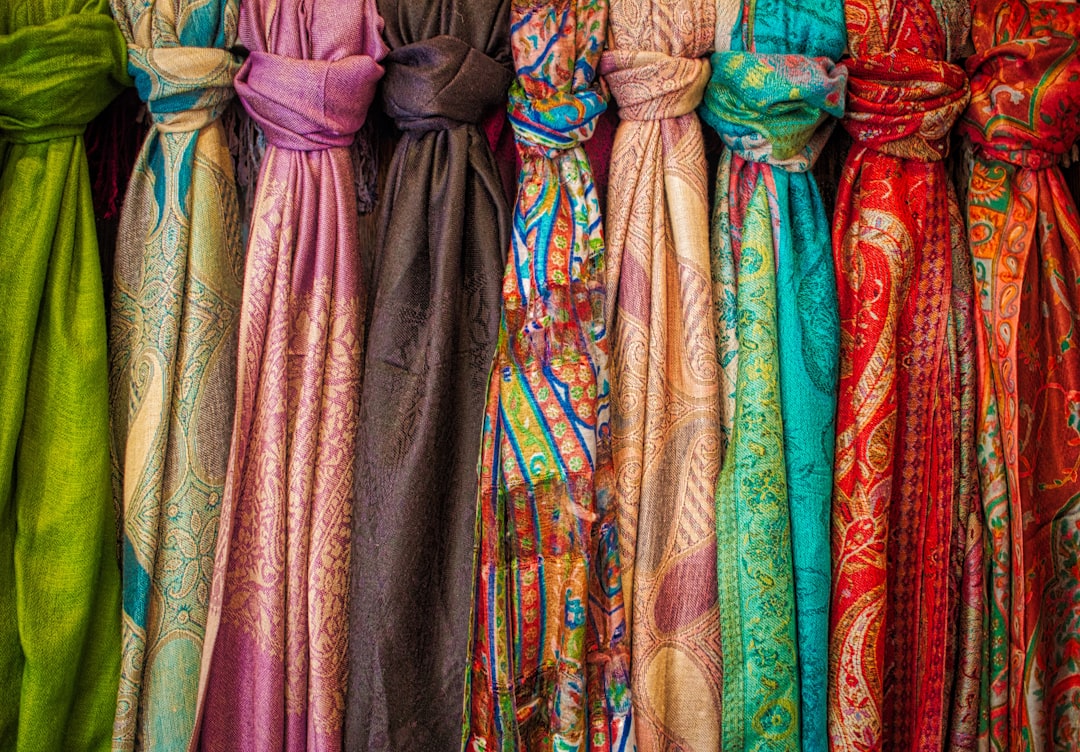
- Next, choose a heavy silk dupatta in a rich jewel-toned color such as emerald green or sapphire blue. The dupatta should be made of high-quality silk that drapes elegantly over the shoulders or ties around the waist.
- To style the dupatta, start by draping it elegantly over the shoulders. You can do this by placing the dupatta over your shoulders and then tying the ends together at the back of your neck.
- Alternatively, you can tie the dupatta around your waist. To do this, place the dupatta around your waist and then tie the ends together at the side of your body.
- Once you've styled the dupatta, add some finishing touches to your outfit. You can do this by adding some statement jewelry such as a bold necklace or earrings.
- Finally, complete your look by adding some shoes and a handbag. A pair of high heels and a clutch bag are the perfect choice for Eid.
Choosing the Right Fabric & Quality
When it comes to choosing a heavy silk dupatta, the fabric and quality are essential. Here are a few things to keep in mind:
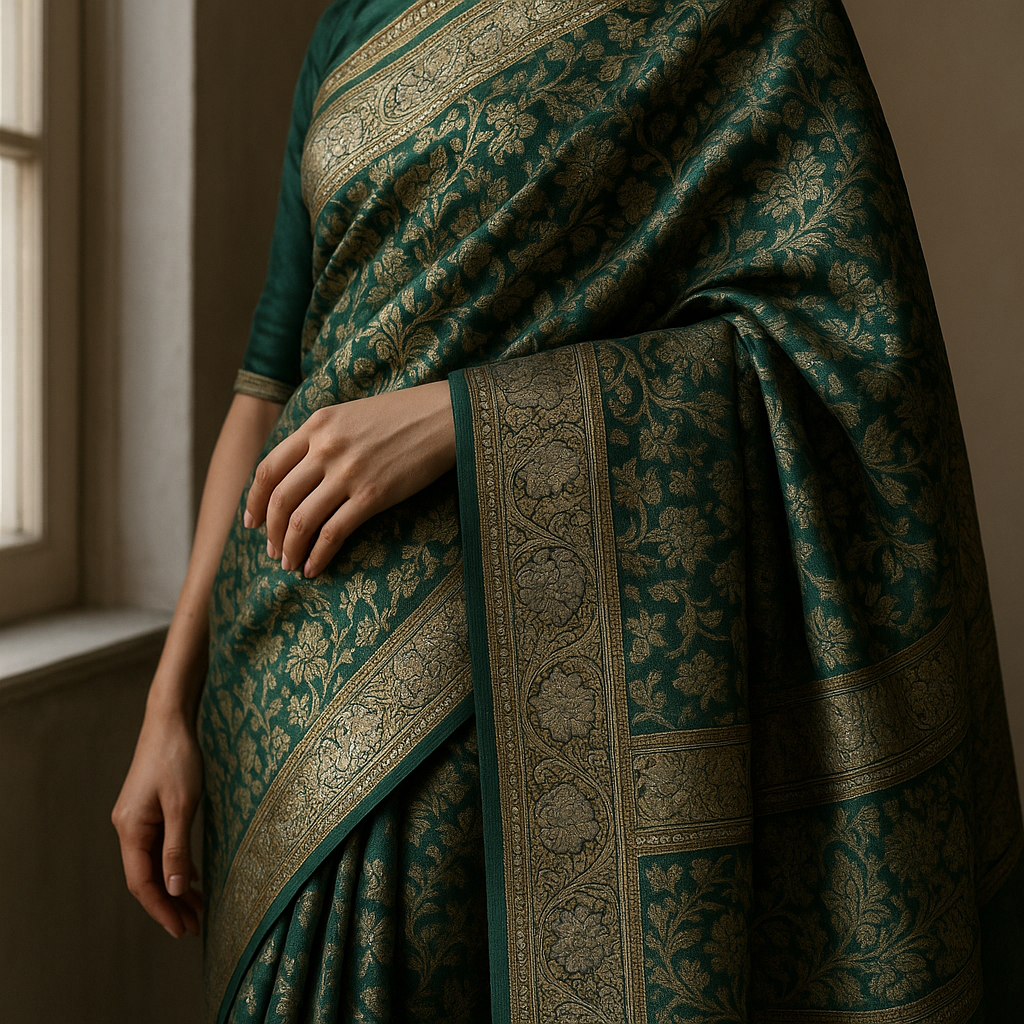
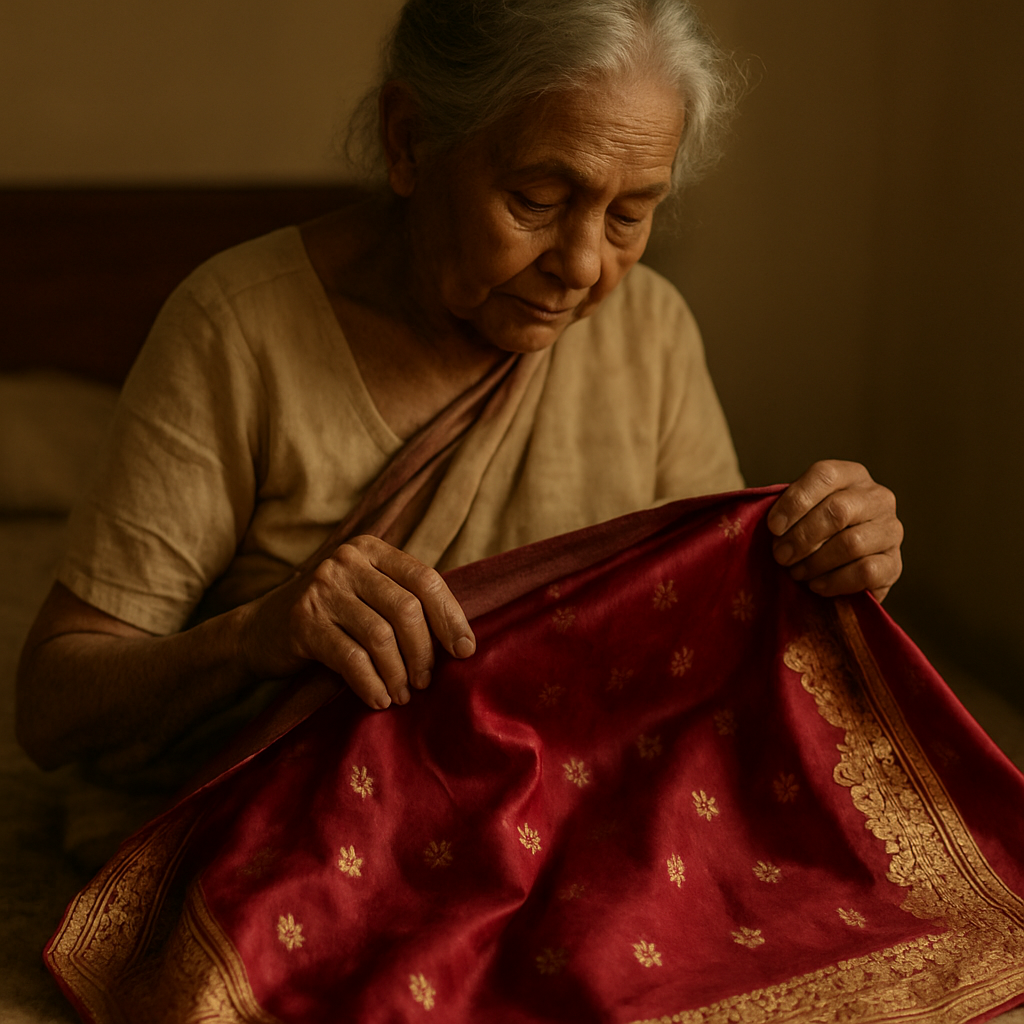
First and foremost, look for a dupatta made of high-quality silk. The silk should be smooth to the touch and have a luxurious feel. Avoid dupattas made of synthetic fabrics such as polyester or nylon, as they can look cheap and tacky.
In addition to the fabric, the quality of the dupatta is also crucial. Look for a dupatta that is well-made and has a sturdy construction. Avoid dupattas with loose threads or uneven hemlines, as they can look sloppy and unprofessional.
Finally, consider the weight of the dupatta. A heavy silk dupatta is perfect for Eid, as it drapes elegantly over the shoulders or ties around the waist. Avoid lightweight dupattas, as they can look flimsy and unimpressive.
Occasion & Versatility
A heavy silk dupatta is perfect for Eid, but it can also be worn on other occasions such as weddings and formal events. Here are a few ways to style the dupatta for different occasions:
For Eid, pair the dupatta with a simple elegant dress in a lightweight fabric such as cotton or chiffon. The dress should be a solid color or have a subtle pattern that won't compete with the dupatta for attention.
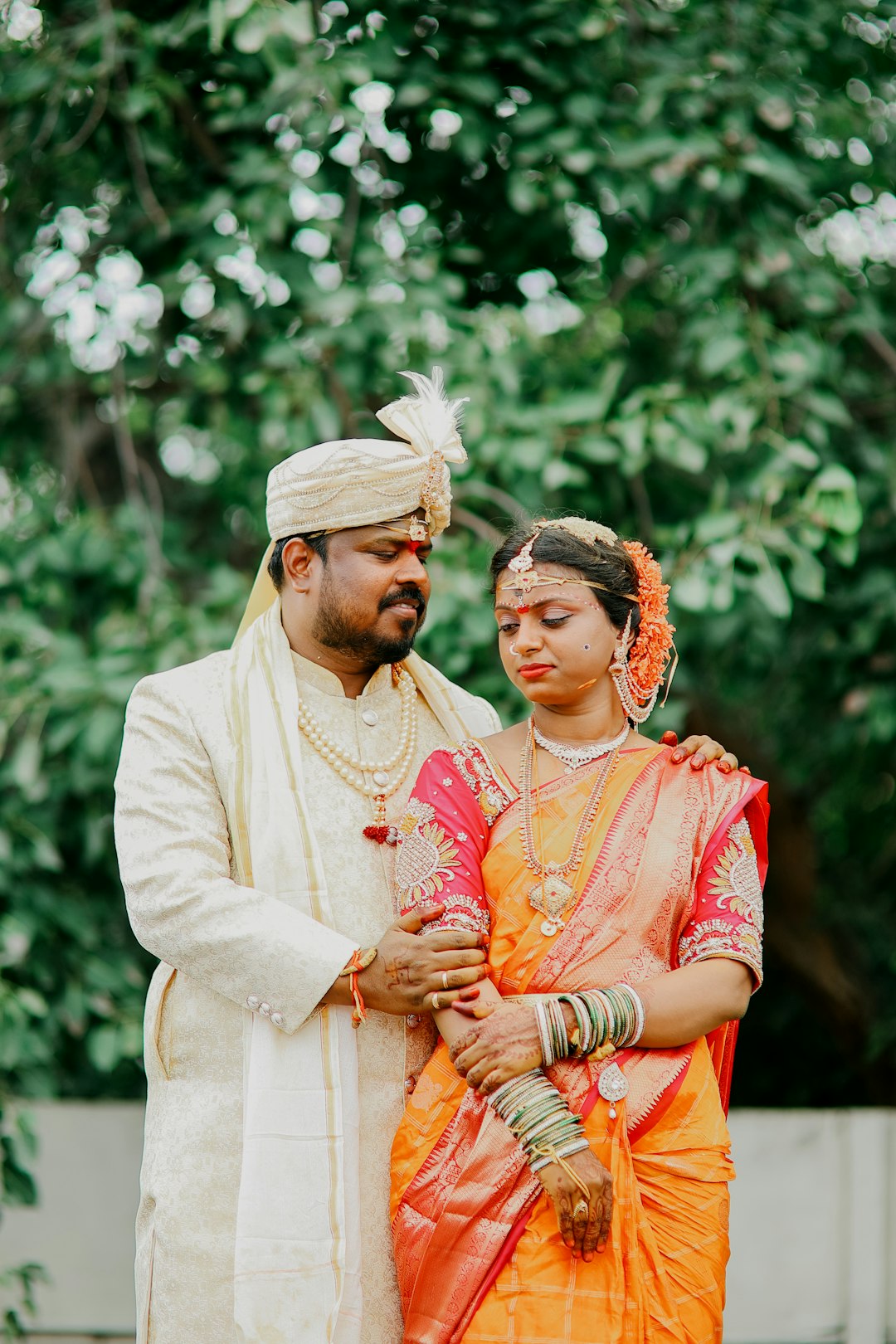
For weddings, pair the dupatta with a more formal outfit such as a lehenga or a sari. The dupatta can be draped elegantly over the shoulders or tied around the waist to add a touch of sophistication to the outfit.
For formal events, pair the dupatta with a cocktail dress or a formal gown. The dupatta can be draped elegantly over the shoulders or tied around the waist to add a touch of glamour to the outfit.
Care & Maintenance
To keep your heavy silk dupatta looking its best, it's essential to care for it properly. Here are a few tips:
First and foremost, avoid washing the dupatta in hot water, as it can shrink or lose its shape. Instead, wash the dupatta in cold water using a mild detergent.
In addition to washing, it's also essential to dry the dupatta properly. Avoid wringing or twisting the dupatta, as it can stretch or lose its shape. Instead, lay the dupatta flat on a towel and allow it to air dry.
Finally, consider storing the dupatta in a cool, dry place. Avoid storing the dupatta in direct sunlight, as it can fade or discolor. Instead, store the dupatta in a closet or drawer away from direct sunlight.
Conclusion
A heavy silk dupatta is a timeless and elegant piece of clothing that can be worn on many different occasions. When paired with a simple elegant dress, the dupatta can add a touch of sophistication and glamour to any outfit. By following the step-by-step styling guide and choosing the right fabric and quality, you can create a stunning outfit that is perfect for Eid 2026. Whether you're attending a wedding, a formal event, or just want to dress up for a special occasion, a heavy silk dupatta is the perfect choice. With its rich history and cultural significance, the dupatta is a fashion trend that is here to stay.