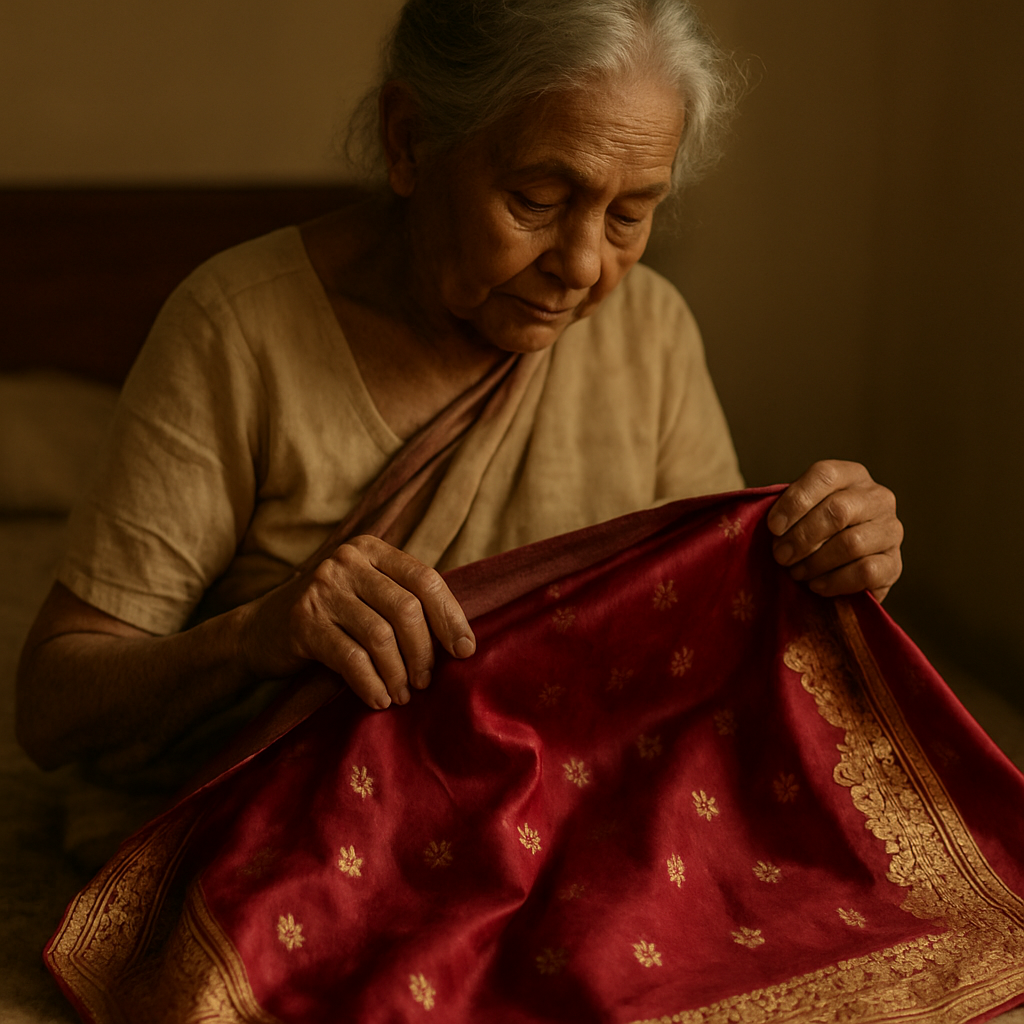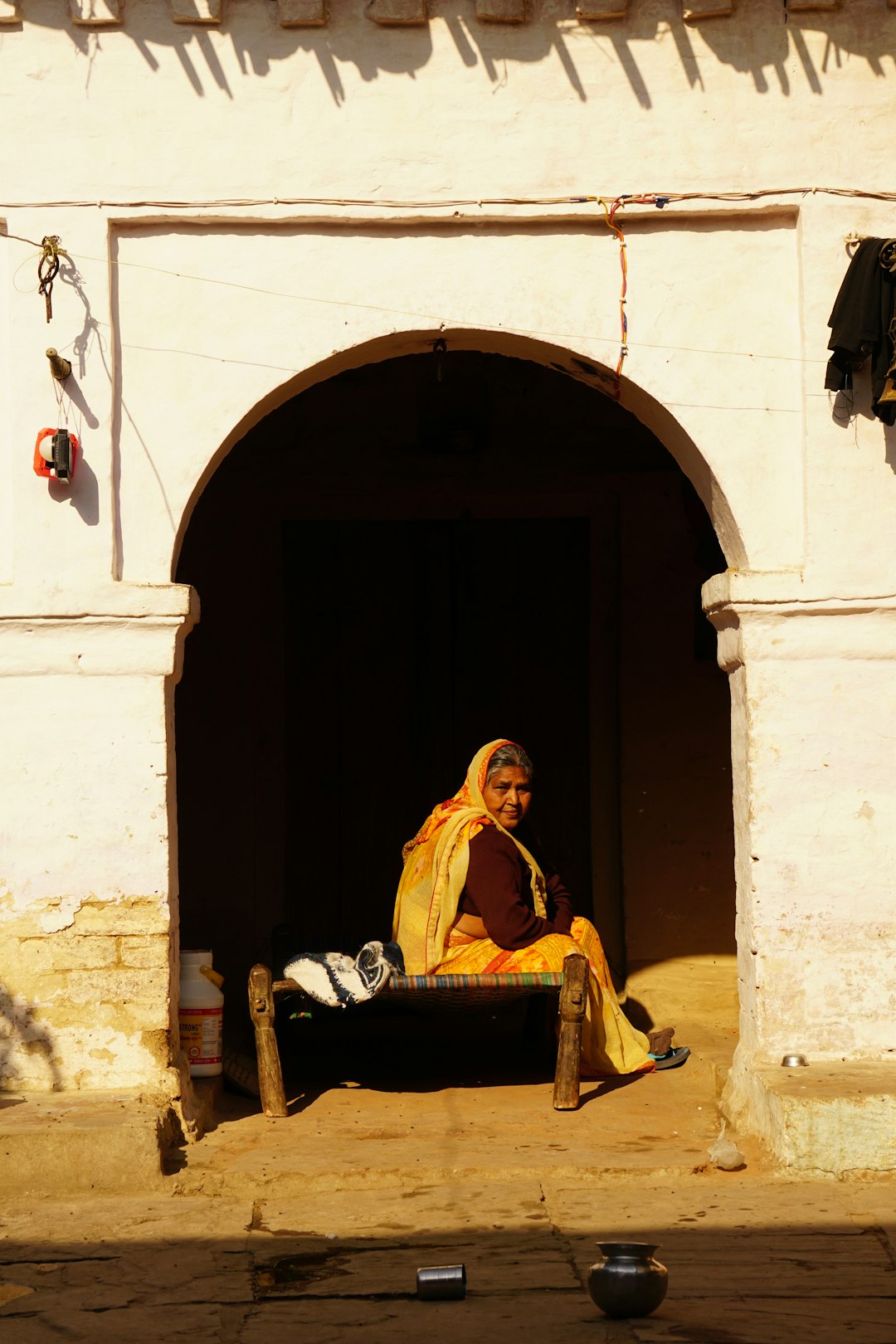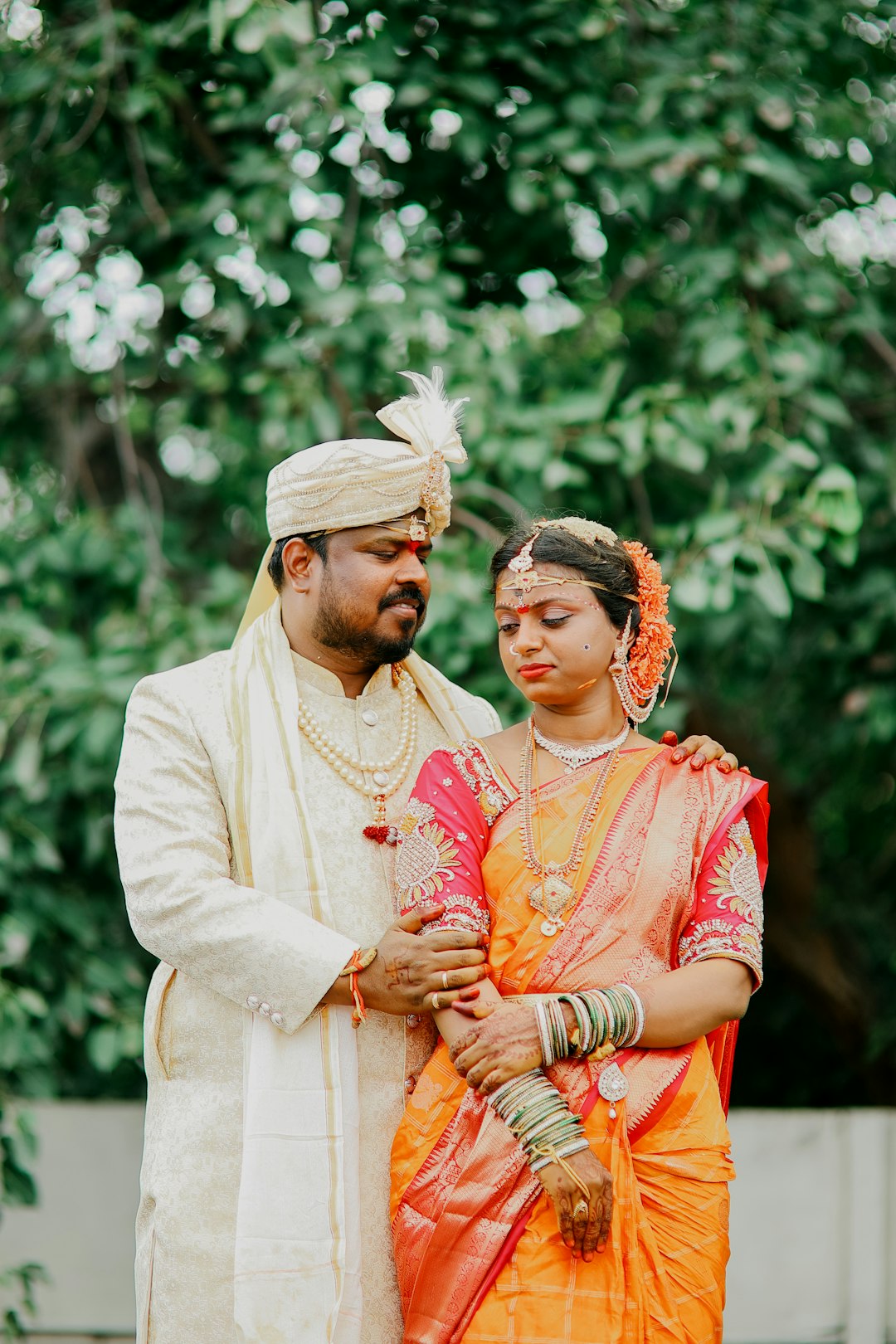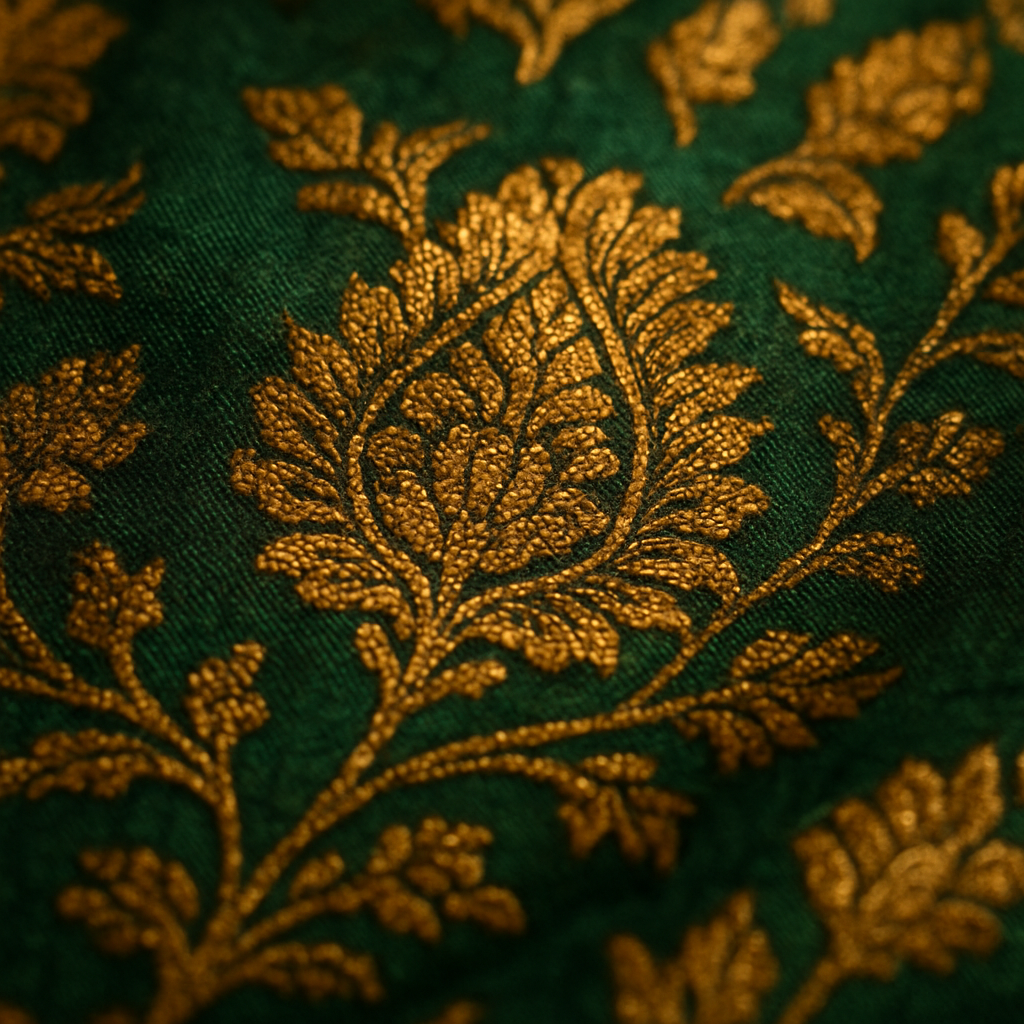
The Banarasi saree has been stereotyped as "heavy" and "ceremonial" for too long. In truth, the cloth is endlessly adaptable — it is the styling that decides whether you look like a bride or a woman who happens to be wearing silk.
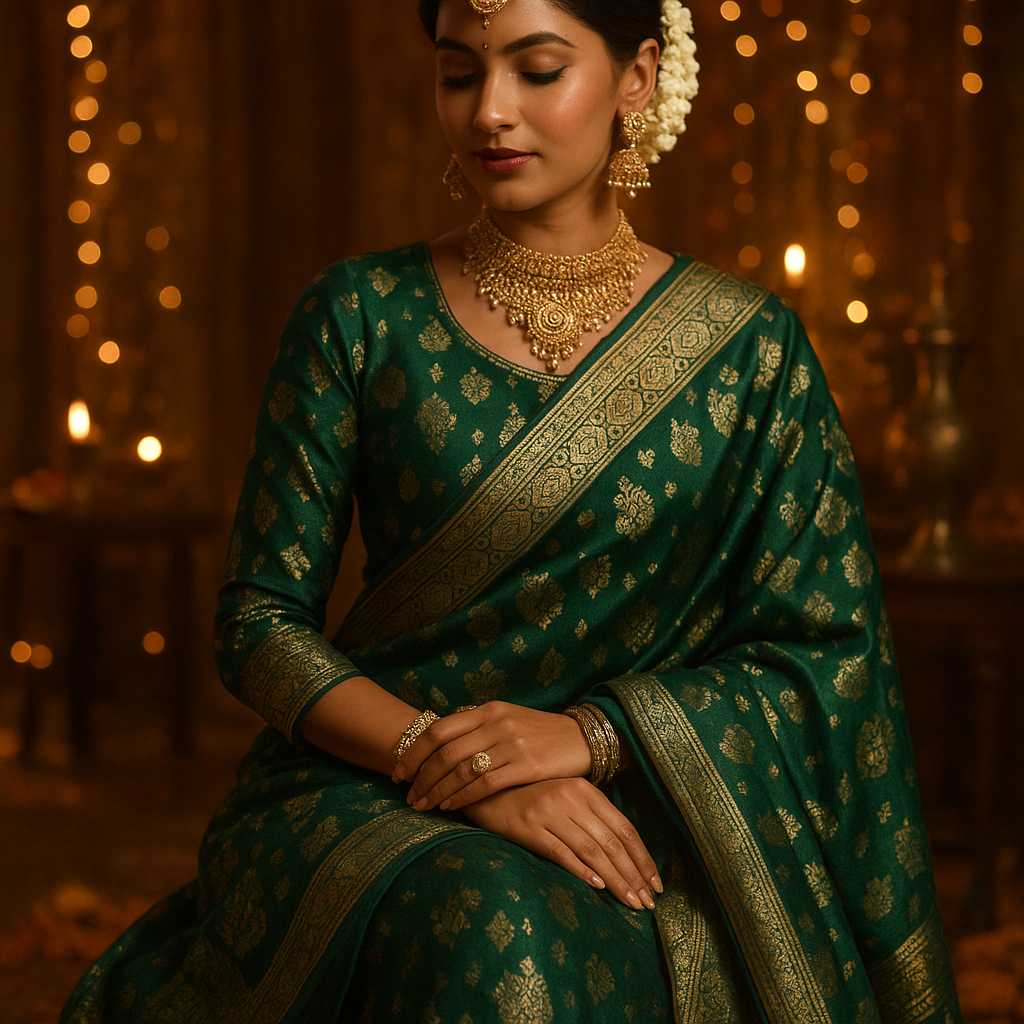
The first way is the modern bridal. Pick a tissue or a lighter Katan. Drape it the nivi style — the standard 6-yard drape — but pin the pallu to fall diagonally across the shoulder, not straight down. Wear a single piece of jewellery: a kundan choker or a south-temple necklace. No bangles. No maang tikka. Let the silk speak.
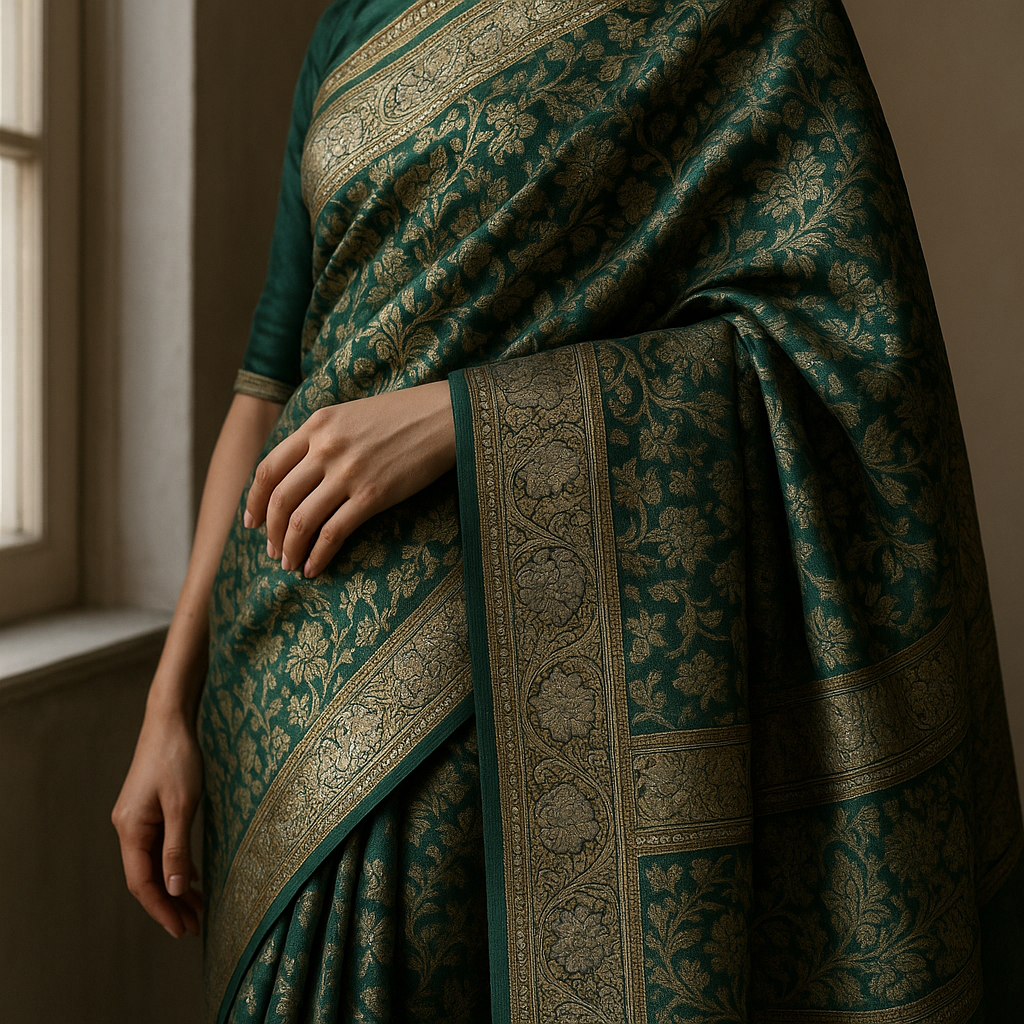
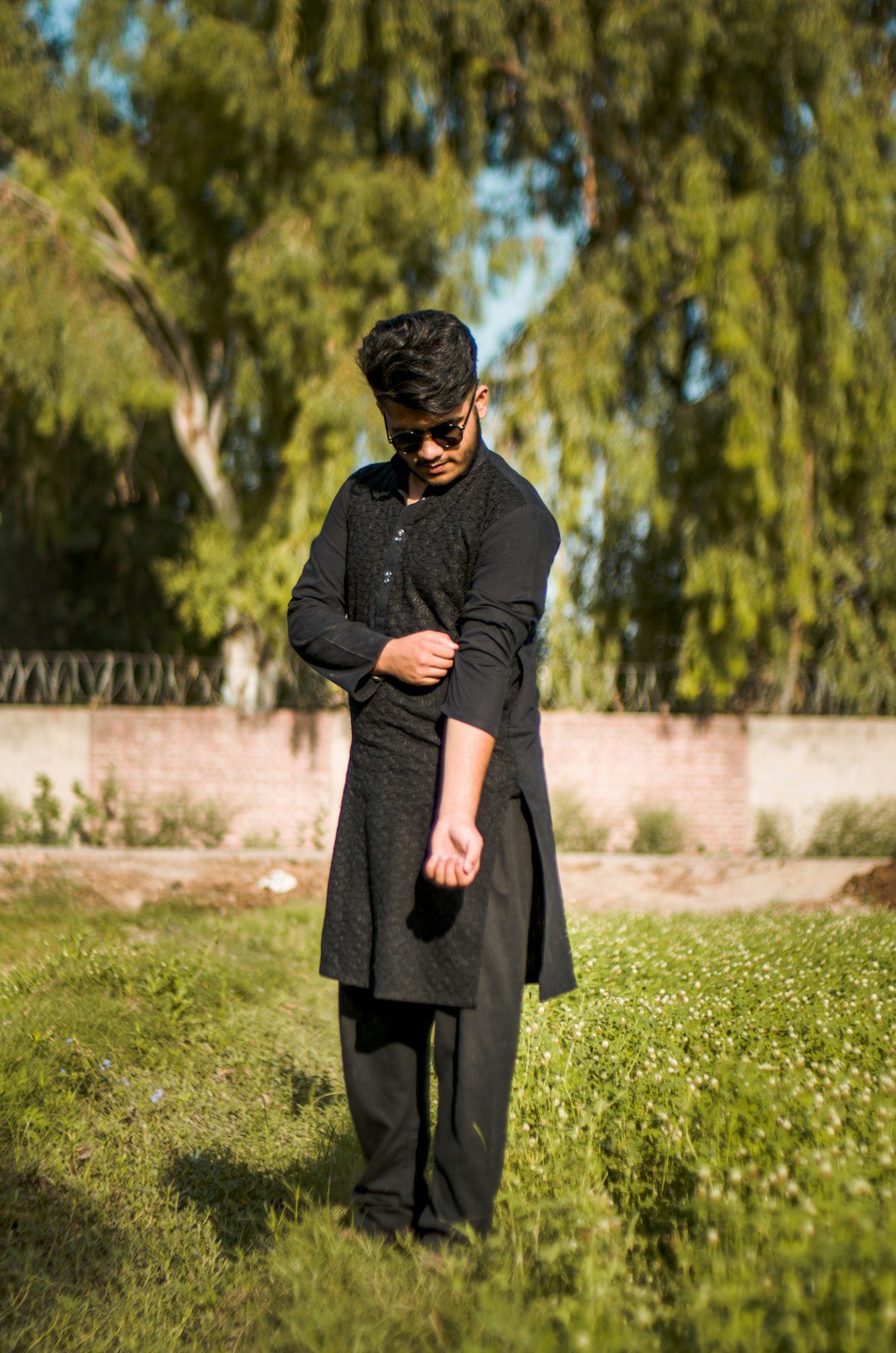
The second way is the working heritage. Pick a Chanderi suit piece from our maison, or a lighter Katan. Wear it as a draped saree but with a structured blouse — collared, three-quarter sleeves. Pair with a single pearl stud. This is the woman who wears silk to a Tuesday meeting and means it.
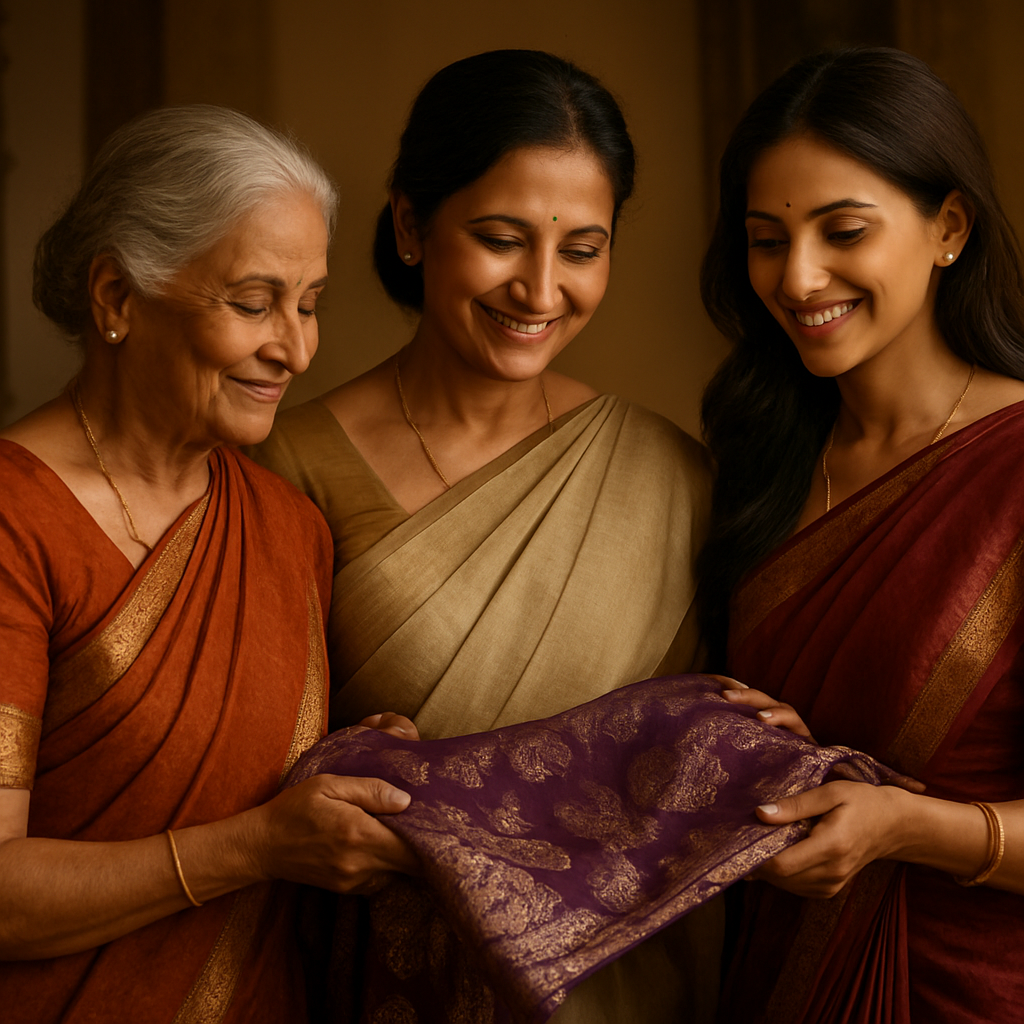
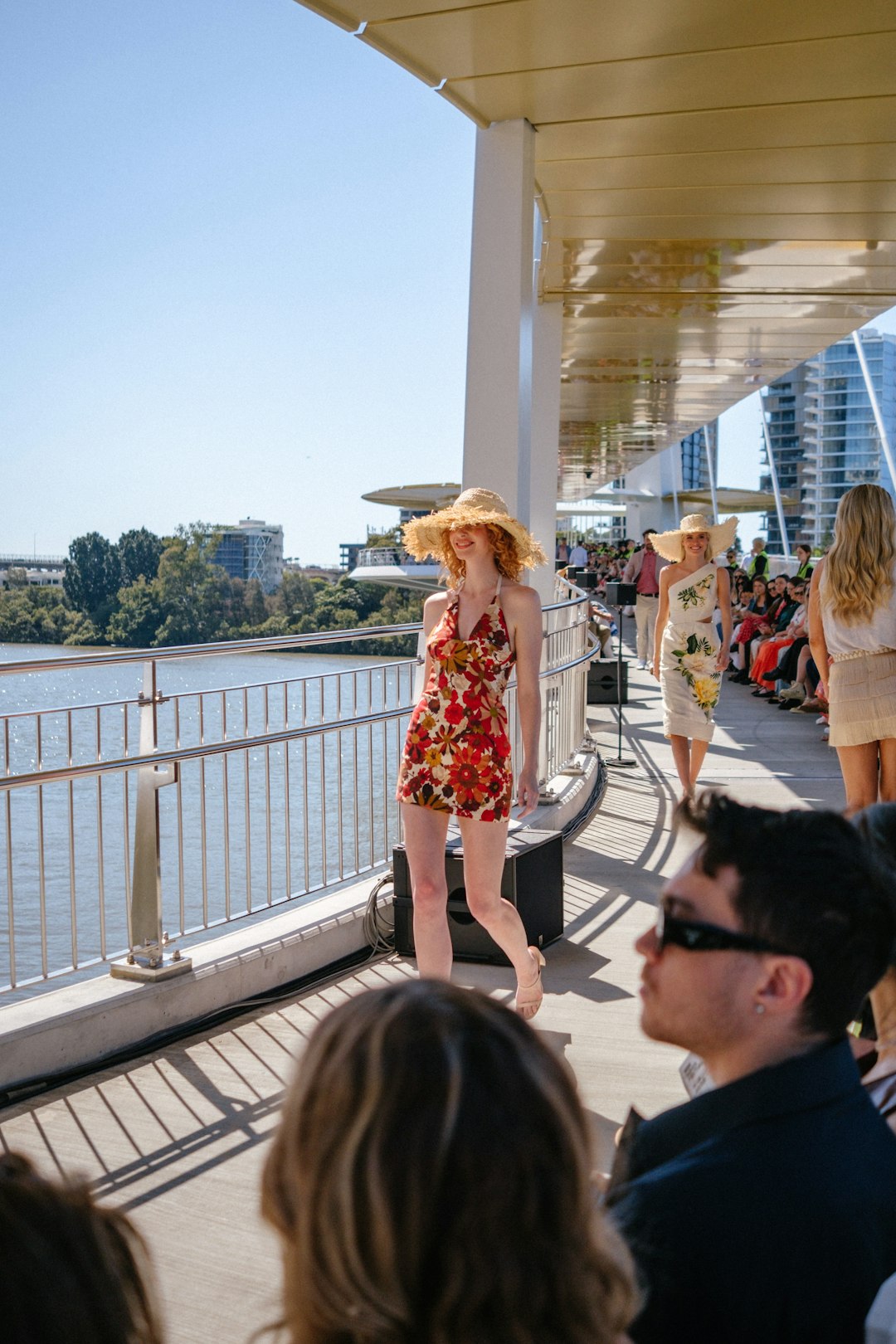
The third way is the brunch Banarasi. Pick a tissue or a half-fine Banarasi. Drape it as a lehenga-saree hybrid — the pallu wrapped once around the waist, then over the shoulder. A simple white shirt for a blouse. Sneakers, if you can carry them. This is the woman who has inherited her mother's saree and refuses to wait for a wedding to wear it.
A Banarasi is not bought. It is inherited — even the first time. Treat it as such, and it will outlive you.