How to Identify Pure Handloom Silk: A Buyer’s Guide to Quality Fabric
Handloom silk is a luxurious fabric prized for its softness, durability, and timeless elegance. However, with the rise of mass-produced textiles, it's becoming increasingly difficult to distinguish genuine handloom silk from synthetic or blended alternatives. In this article, we'll explore the key characteristics and identification methods to help you make informed purchasing decisions.
The significance of identifying pure handloom silk cannot be overstated. In an era where fast fashion dominates the market, the value of traditional craftsmanship and high-quality materials is often overlooked. By understanding the nuances of handloom silk, you'll not only appreciate the artistry and skill that goes into creating these fabrics but also make more sustainable and responsible fashion choices. In this comprehensive guide, we'll delve into the world of handloom silk, exploring its history, production process, and the essential factors to consider when evaluating its quality.
Handloom silk has been a cornerstone of traditional textile production for centuries, with various regions around the world developing their unique techniques and designs. From the intricate patterns of Indian brocades to the subtle sheen of Chinese dupioni, each type of handloom silk boasts its distinct characteristics. As a buyer, it's essential to be aware of these differences to ensure that you're purchasing a genuine product that meets your expectations. In the following sections, we'll provide you with the knowledge and expertise to confidently identify pure handloom silk and make informed purchasing decisions.
Understanding the Production Process of Handloom Silk
You may also enjoy reading
Trending Ethnic Wear Colors for Spring 2026: From Mint Green to Jewel Tones.
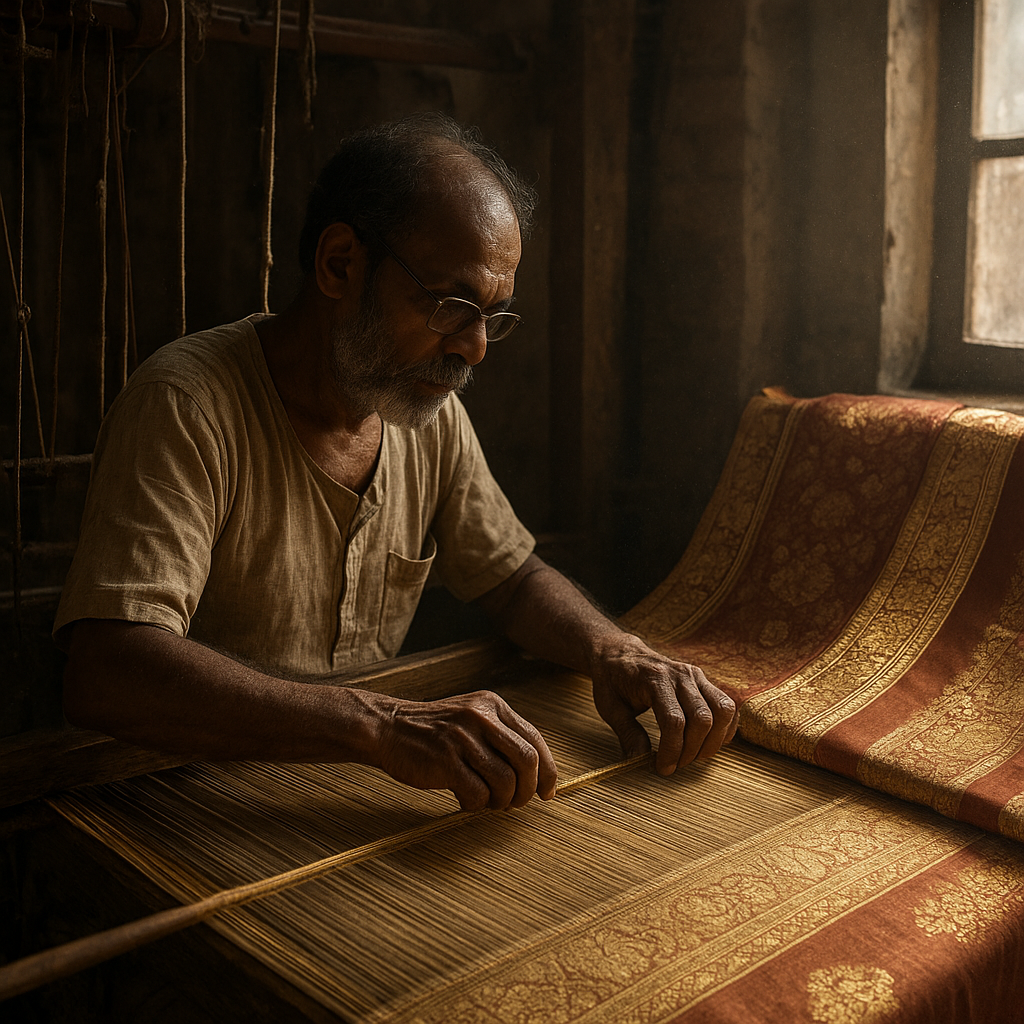
Handloom silk production is a labor-intensive process that involves several stages, from sericulture to weaving. The journey begins with the cultivation of mulberry silkworms, which produce the coveted cocoons that are eventually unwound to create the silk fibers. These fibers are then cleaned, carded, and spun into yarns, which are subsequently dyed and woven into fabric using traditional handlooms. The entire process requires great skill, patience, and attention to detail, resulting in a fabric that is not only exquisite but also incredibly durable.
Visual Characteristics of Pure Handloom Silk
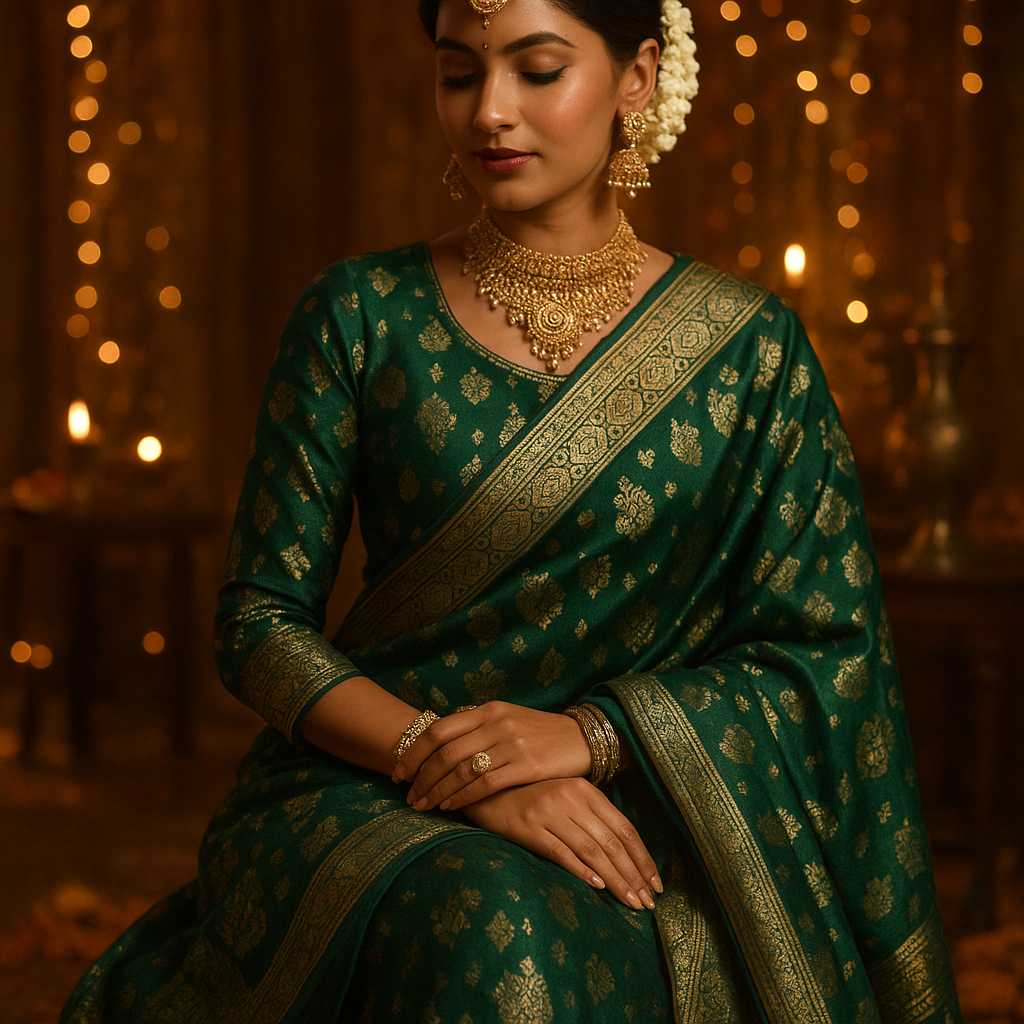
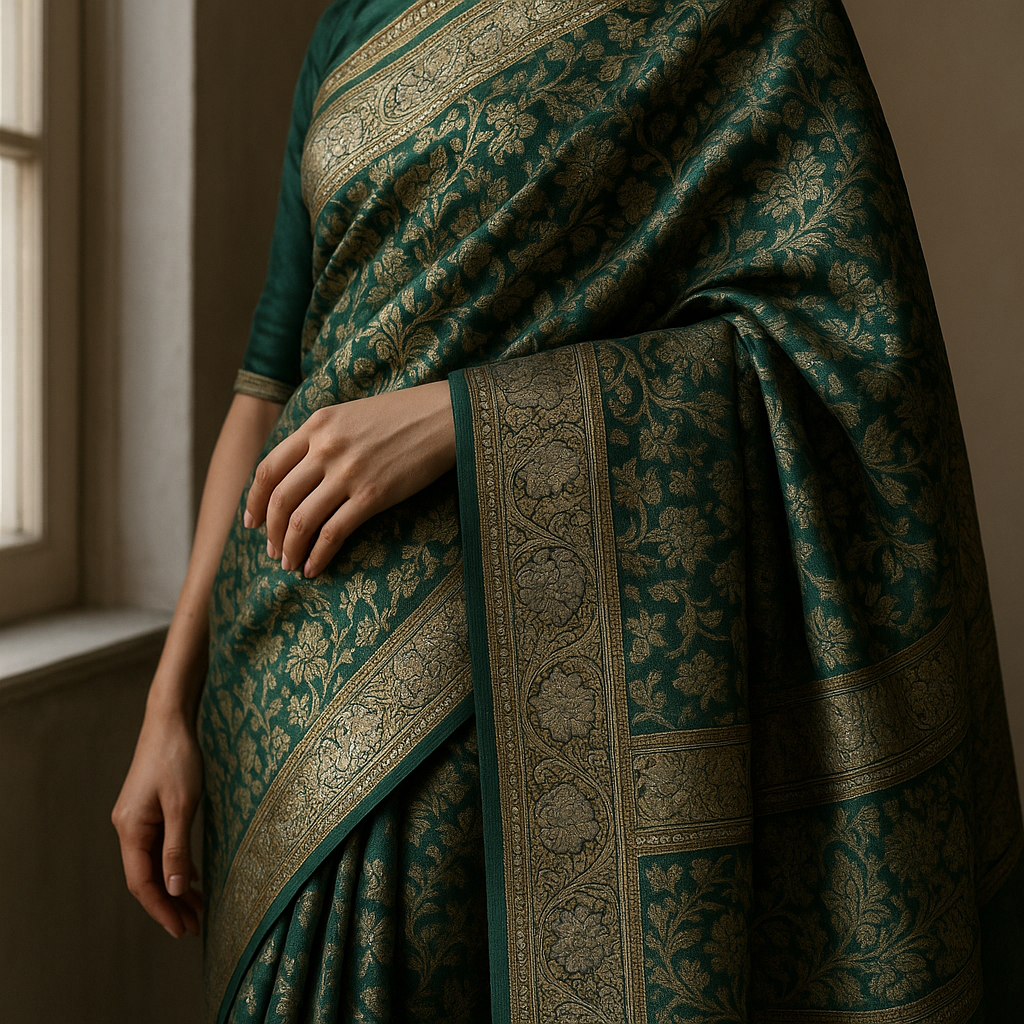
One of the most effective ways to identify pure handloom silk is by examining its visual characteristics. Genuine handloom silk typically exhibits a subtle sheen, which is often described as soft and muted. The fabric may also display minor irregularities, such as tiny slubs or uneven threads, which are a testament to its handmade nature. Additionally, handloom silk often features intricate patterns and designs, which are woven using traditional techniques that have been passed down through generations.
The Role of Touch and Texture in Identifying Handloom Silk
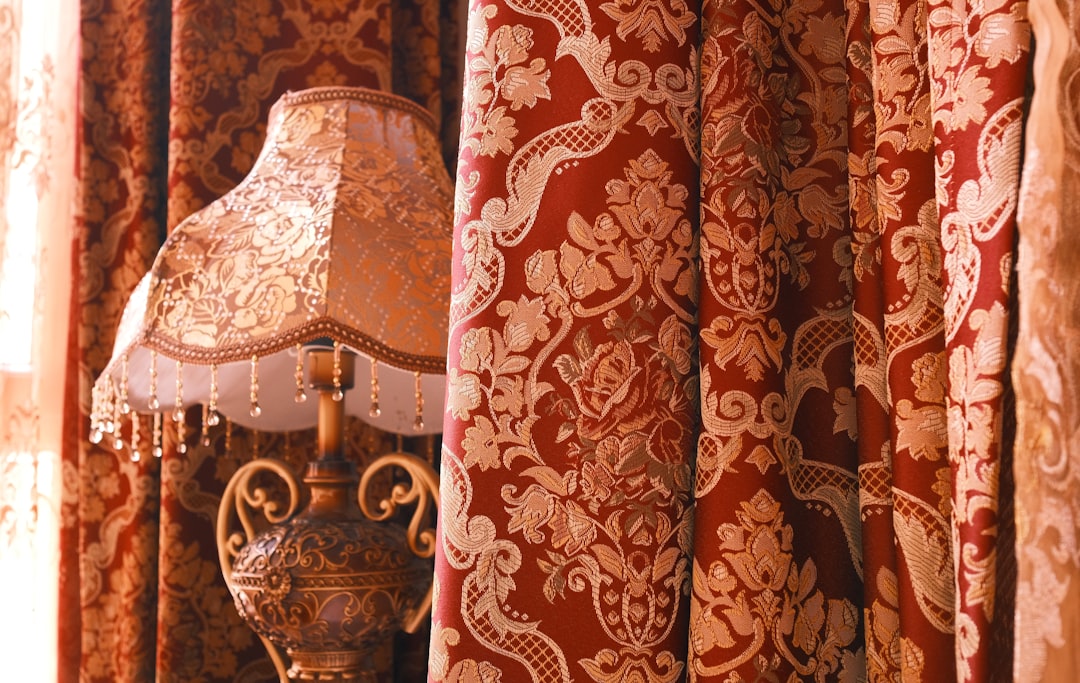
Touch and texture play a crucial role in identifying pure handloom silk. Genuine handloom silk is renowned for its exceptional softness and smoothness, which is often described as luxurious and velvety. When you run your hand over the fabric, you may notice a subtle rustling sound, which is caused by the natural fibers rubbing against each other. Furthermore, handloom silk tends to drape elegantly, with a fluidity that is unmatched by synthetic or blended fabrics.
Common Mistakes to Avoid When Buying Handloom Silk
When purchasing handloom silk, it's essential to be aware of common mistakes that can lead to disappointment or financial loss. One of the most significant errors is assuming that all handloom silks are created equal. In reality, the quality of handloom silk can vary greatly depending on factors such as the type of silk fibers used, the weaving technique, and the level of craftsmanship. Another mistake is neglecting to inspect the fabric carefully, which can result in overlooking minor flaws or defects. By being aware of these potential pitfalls, you can make more informed purchasing decisions and avoid costly mistakes.
Inspecting the Fabric for Quality and Authenticity
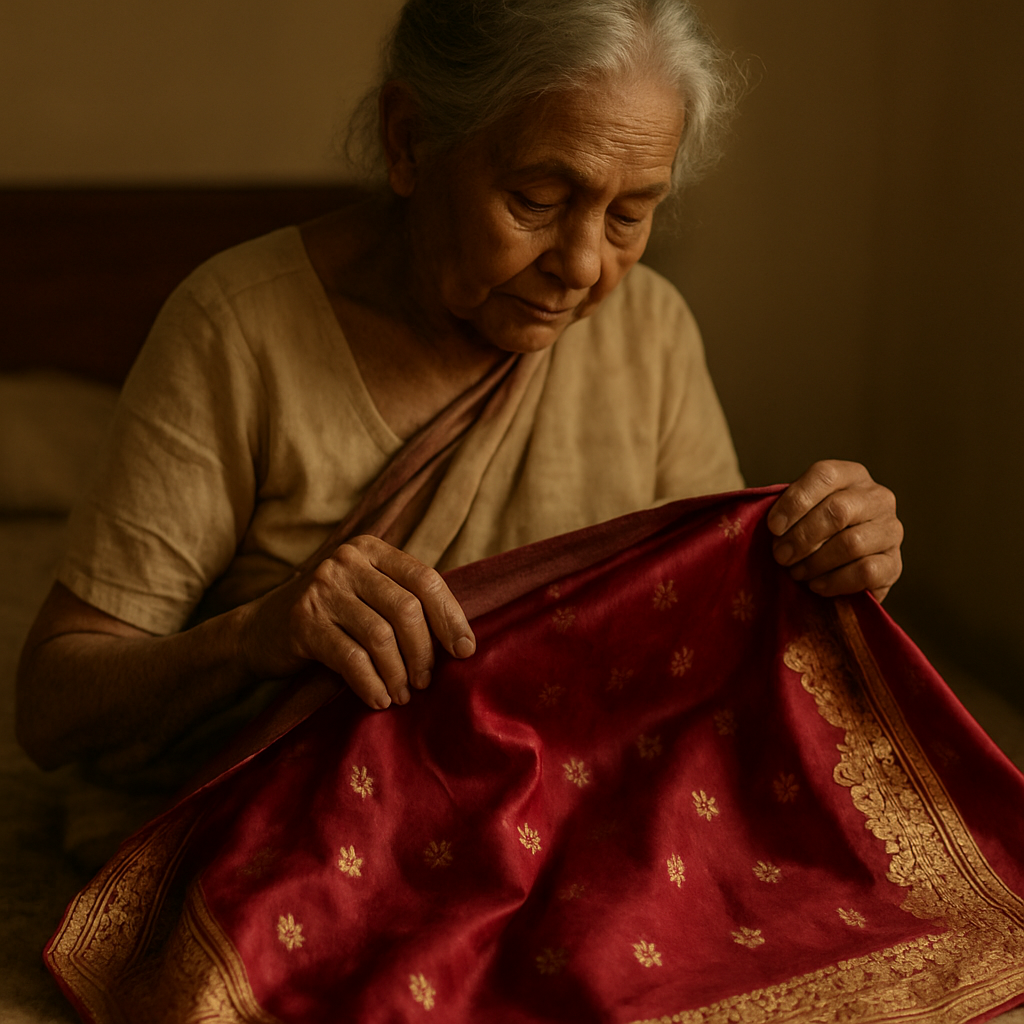
Inspecting the fabric is a crucial step in identifying pure handloom silk. When examining the fabric, look for signs of quality and authenticity, such as the presence of natural fibers, the intricacy of the patterns, and the level of craftsmanship. You should also check for any signs of wear or damage, such as fraying or discoloration. By taking the time to inspect the fabric carefully, you can ensure that you're purchasing a genuine product that meets your expectations.
Frequently Asked Questions About Handloom Silk
What is the difference between handloom silk and machine-made silk?
Handloom silk is produced using traditional handlooms, whereas machine-made silk is manufactured using automated machinery. The main difference between the two lies in the level of craftsmanship and the quality of the fabric. Handloom silk is renowned for its exceptional softness, durability, and intricate patterns, whereas machine-made silk often lacks the same level of quality and authenticity.
How can I care for my handloom silk fabric?
Caring for handloom silk fabric requires gentle handling and attention to detail. It's essential to avoid machine washing or drying, as this can cause the fibers to break or become damaged. Instead, hand wash the fabric in cold water using a mild detergent, and dry it naturally away from direct sunlight.
What is the average price range for handloom silk fabric?
The price range for handloom silk fabric can vary greatly depending on factors such as the type of silk fibers used, the weaving technique, and the level of craftsmanship. On average, high-quality handloom silk fabric can range from $50 to $500 per yard, depending on the complexity of the design and the level of expertise involved.
Can I use handloom silk fabric for upholstery or home decor?
Yes, handloom silk fabric can be used for upholstery or home decor, provided that it is treated with care and attention. However, it's essential to note that handloom silk is a delicate fabric that requires gentle handling and maintenance. It's recommended to use a protective coating or lining to prevent damage or wear and tear.
In conclusion, identifying pure handloom silk requires a combination of knowledge, expertise, and attention to detail. By understanding the production process, visual characteristics, and tactile qualities of handloom silk, you can make informed purchasing decisions and appreciate the beauty and craftsmanship of this exquisite fabric. Whether you're a fashion enthusiast, a textile collector, or simply someone who appreciates the finer things in life, handloom silk is a true treasure that deserves to be cherished and admired.