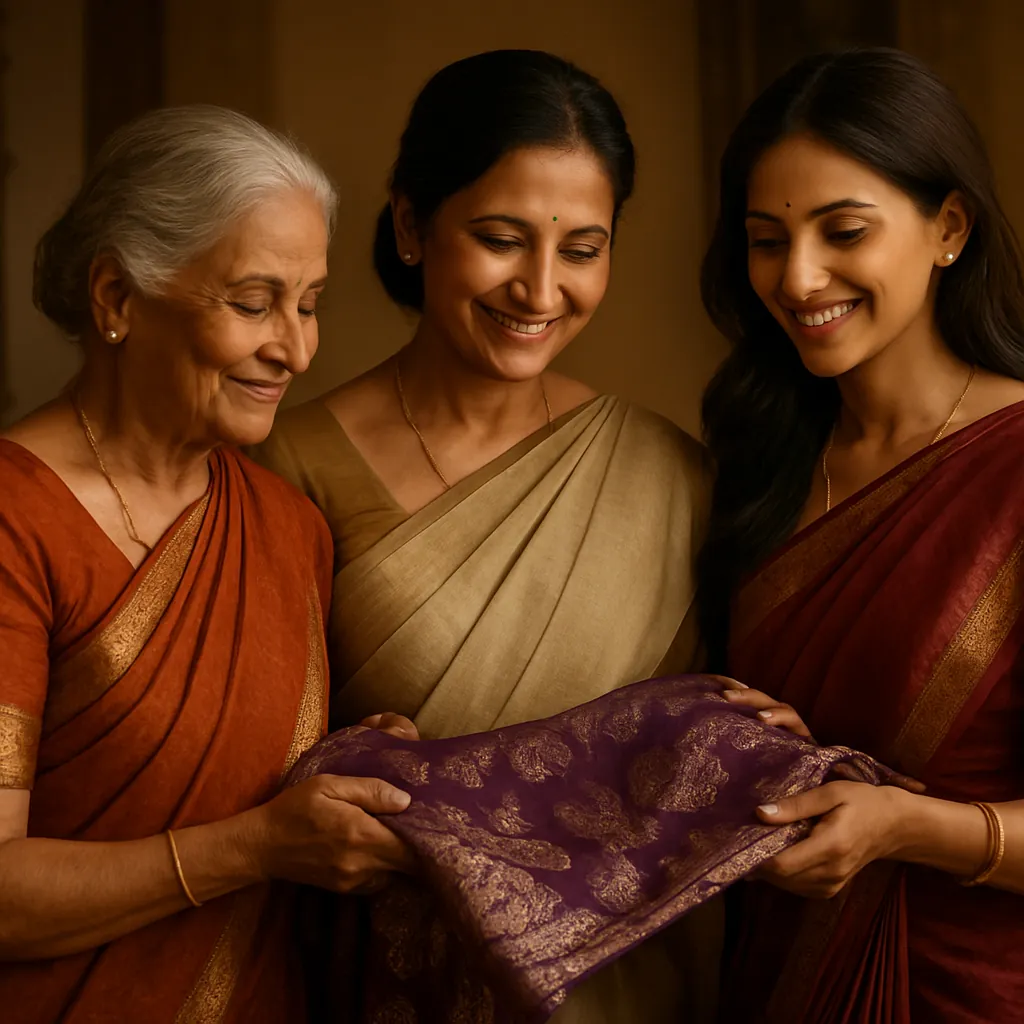
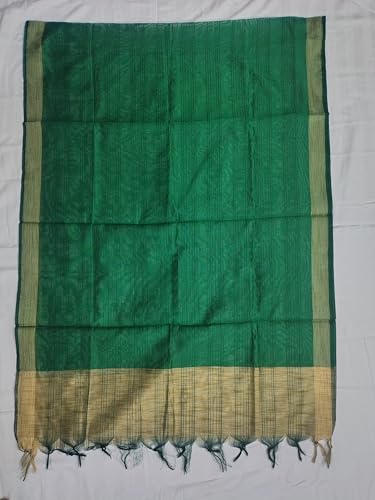
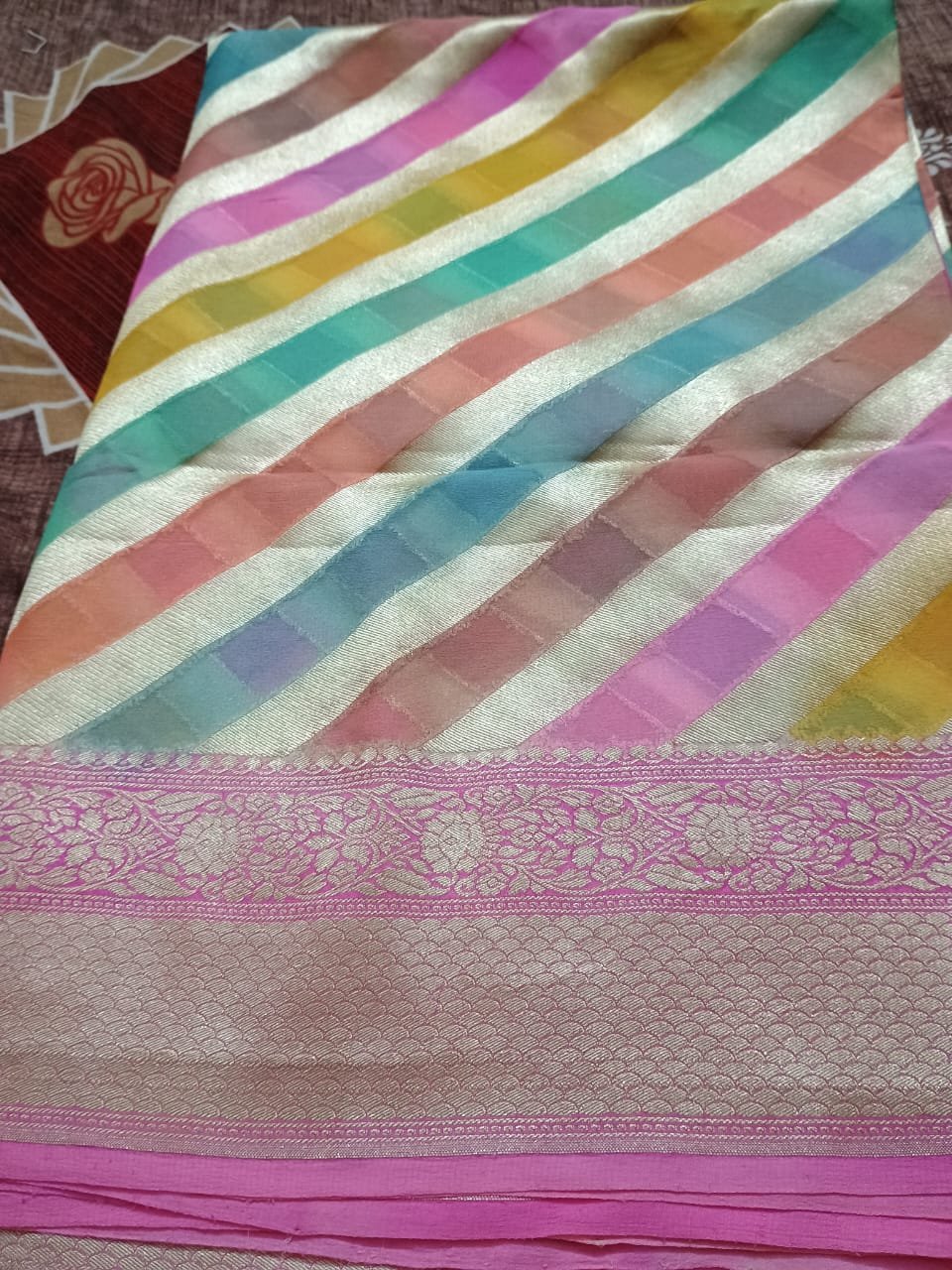
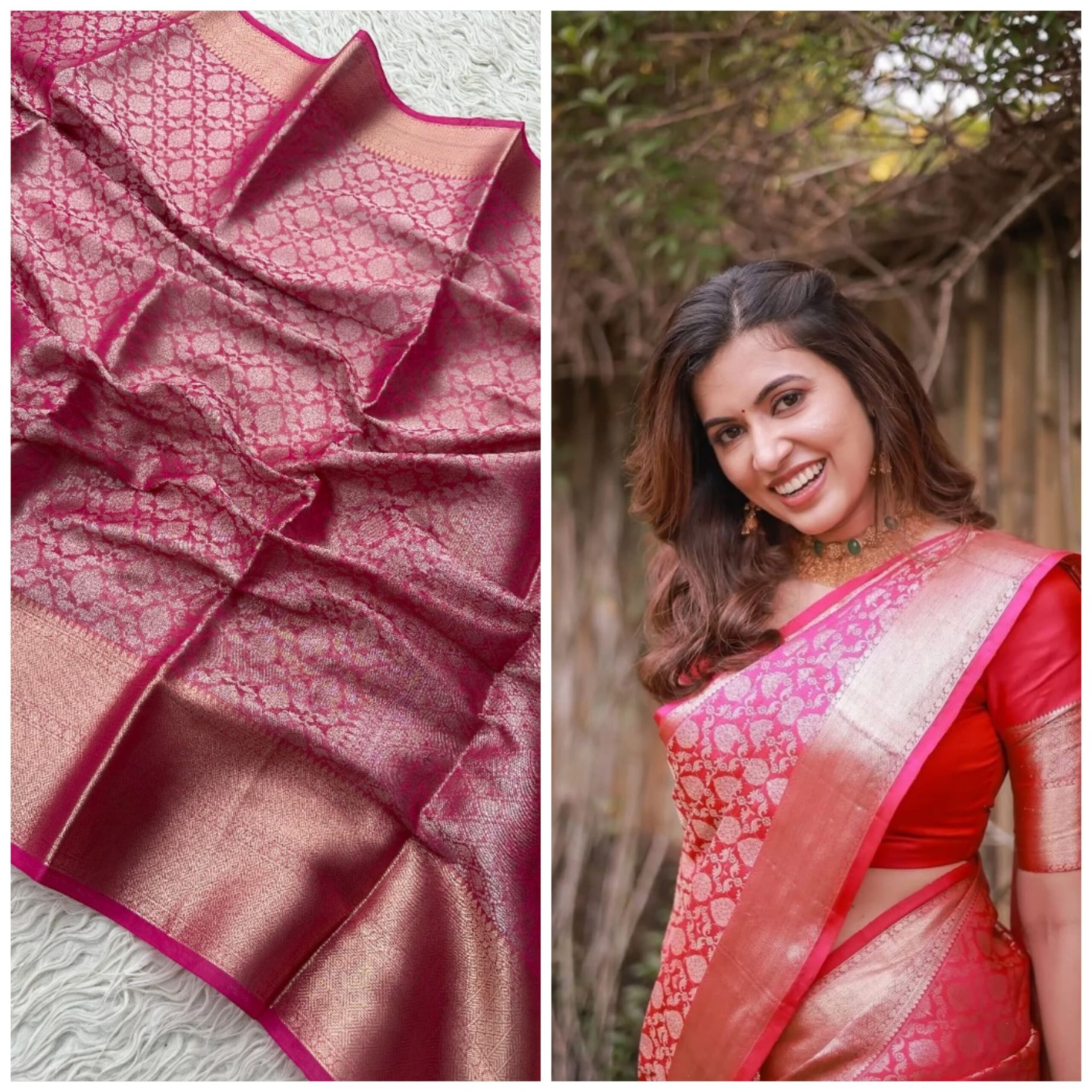
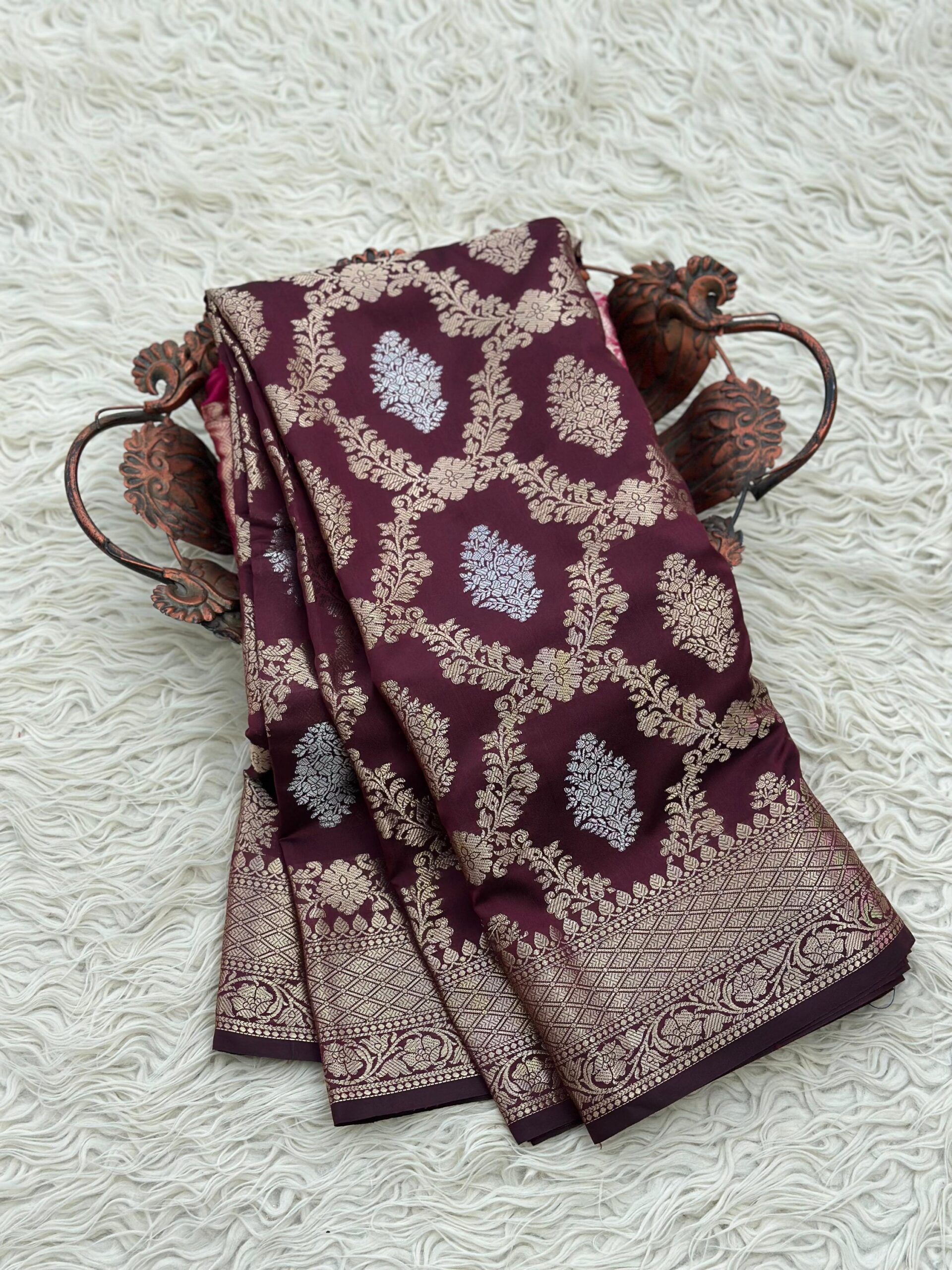
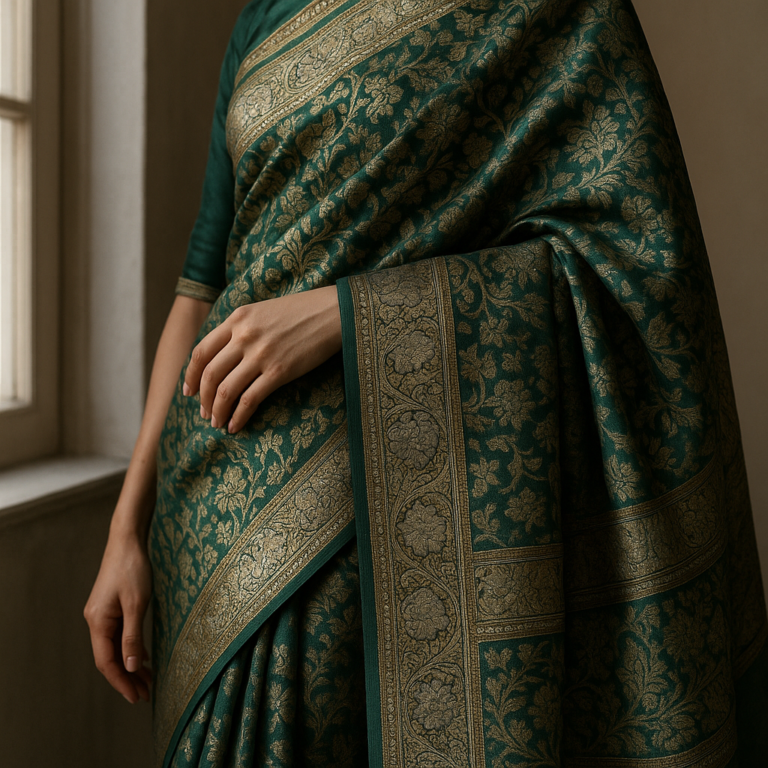
Because a Rs 15,000 Banarasi looks like Rs 1,500 if you drape it badly.
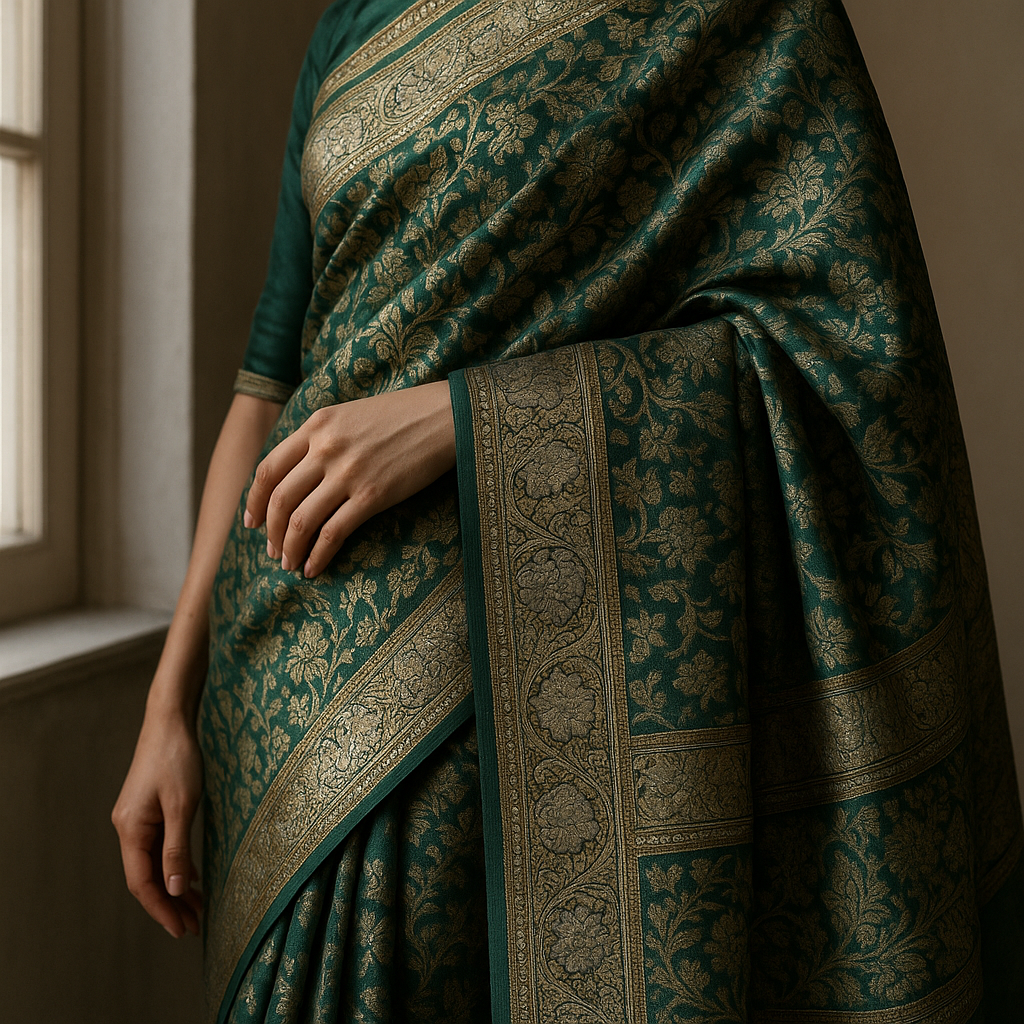
The Banarasi saree is the most forgiving garment in Indian fashion — it looks good on every body type, ages beautifully, and works for every occasion. But all of that disappears if the drape is wrong. A katan silk Banarasi worn with sloppy pleats and a falling pallu looks like a bedsheet. The same saree draped well looks like an heirloom.
Here are five drapes every woman who owns a Banarasi should know. Each takes 5–10 minutes once you have practised a few times.
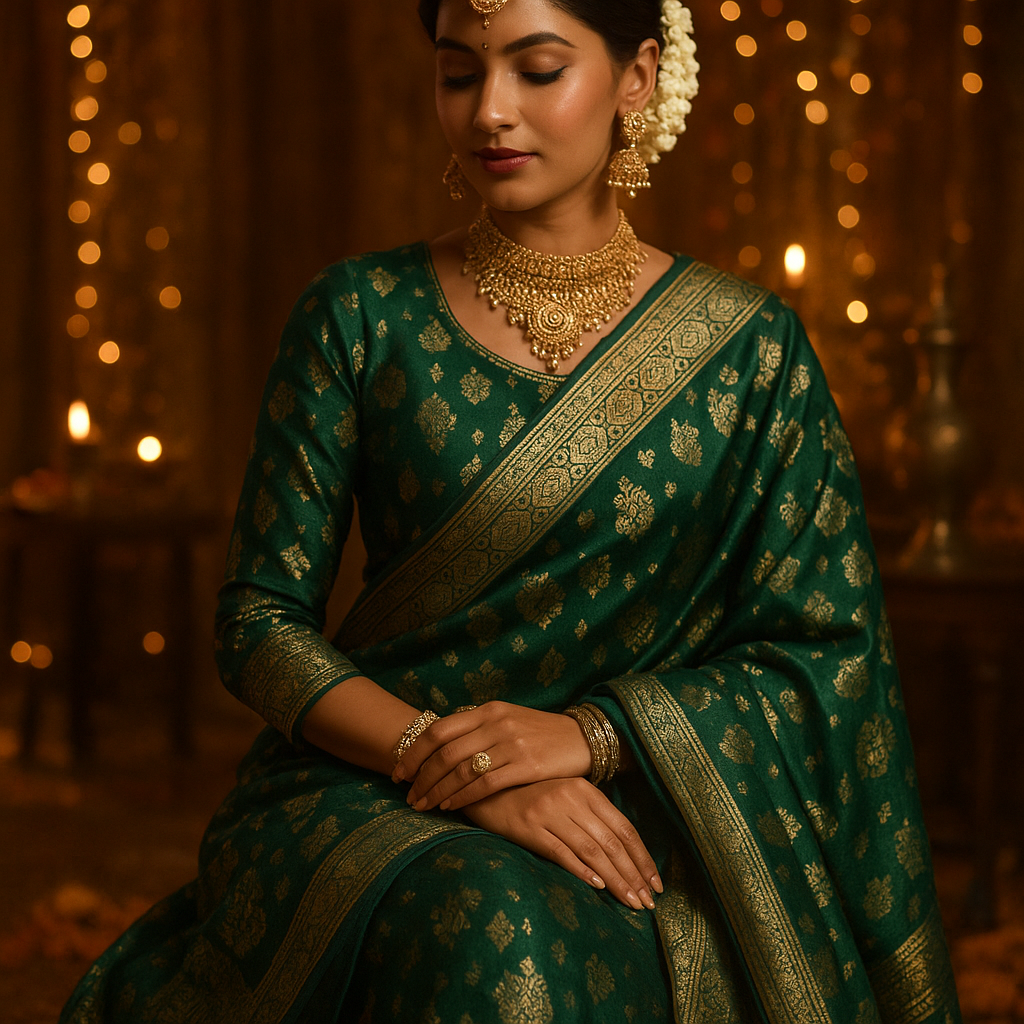
Style 1: The Nivi Drape (The Classic)
This is the drape you see in 90% of Indian wedding photographs. It originated in Andhra Pradesh (the name comes from the Nivi tribe) and became the national standard in the 1950s. If you learn only one drape, learn this.
Best for:
Weddings, festivals, formal occasions, every Banarasi saree ever.
Step-by-step:
- Tuck the inner end into the petticoat at the right hip, wrapping once around the waist to the left hip. The saree should sit just below the navel.
- Make 5–7 pleats (about 5 inches deep each) from the remaining fabric at the front. Keep them tight and even — this is the part most people get wrong.
- Tuck the pleats into the petticoat at the centre front, slightly towards the left. They should fall straight to your ankle.
- Take the pallu (the decorative end) and drape it over your left shoulder, falling behind. Adjust so the pallu hangs to your knee or mid-calf.
- Pin the pallu at the shoulder with a small safety pin (hidden under the fabric) to keep it from slipping.
- Adjust the front pleats so they open slightly (about 2 inches at the bottom) — this lets you walk without tripping.
Common mistake: Pleats too loose. Tight pleats photograph better and stay in place. Pinch the fabric hard when folding.
Style 2: The Bengali Drape (The Heritage)
This is the drape of Durga Puja pandals, of Rabindranath Tagore portraits, of every Bengali bride on her wedding morning. It is unmistakably regional and looks stunning with a heavy Banarasi.
Best for:
Puja ceremonies, Bengali weddings, cultural events, when you want to look "old soul".
Step-by-step:
- Tuck the inner end at the right hip, wrapping once to the left.
- Make pleats as in the Nivi style, tuck at centre front.
- Take the pallu and drape it over your left shoulder — but instead of letting it fall behind, pull it across your back to the right side.
- Bring the pallu back over your right shoulder, creating a wide box pleat at the front.
- Pin the pallu at the right shoulder with a decorative brooch (traditional) or hidden safety pin (modern).
- The pallu should fall in a wide, boxy shape from your right shoulder to your left hip — this is the defining feature.
Common mistake: Pallu too narrow. The Bengali pallu should be wide (use the full width of the saree) and fall in a structured box, not flow softly. Starch the pallu lightly before wearing if your Banarasi is too soft.
Style 3: The Gujarati Drape (The Festive)
This drape is what your aunt from Ahmedabad wears to every Diwali party. The pallu comes forward over the right shoulder, creating a V-shape across the chest that showcases the saree's pallu design.
Best for:
Diwali, Navratri, festive occasions, when the pallu design deserves to be seen.
Step-by-step:
- Steps 1–3 same as Nivi (tuck, pleat, tuck).
- Take the pallu and bring it from the back, over your right shoulder (opposite of Nivi).
- Fan the pallu out across your chest, creating pleats that fall from right shoulder to left hip.
- Pin at the right shoulder and at the left hip (where the pallu ends).
- The pallu should form a V across your torso — this is where jewellery sits visible.
Common mistake: Pallu too tight across the chest. The Gujarati pallu should have some volume — pleat it loosely so it falls in soft folds, not flat against your body.
Style 4: The Lehenga Drape (The Modern)
This is the drape that turns a Banarasi saree into a lehenga silhouette. No front pleats — the saree flows like a skirt, with the pallu worn over both shoulders like a dupatta. Popular for sangeet and reception functions.
Best for:
Sangeet, cocktail, reception, destination weddings, when you want modern ease.
Step-by-step:
- Tuck the inner end at the right hip, wrapping once around to the left.
- Do NOT make front pleats. Instead, let the saree fall in soft gathers around your waist, tucking as you go.
- Continue tucking in soft gathers all the way around to the right hip again.
- Take the pallu and drape it like a dupatta — over one shoulder, across the chest, and pinned at the opposite hip.
- Or wear the pallu over both shoulders, falling like a shawl — this is the most "lehenga-like" version.
Common mistake: Gathering too tight, which makes the saree look bulky at the waist. Soft, loose gathers give the lehenga flow. Use a wide petticoat (4–5 metres flair) underneath for the full skirt effect.
Style 5: The Pant Drape (The Contemporary)
This is the drape for women who cannot sit comfortably in a petticoat, for destination weddings where the wind is brutal, and for any bride who wants to dance at her own sangeet. The saree is draped over trousers instead of a petticoat.
Best for:
Sangeet, mehndi, destination weddings, dancing functions.
Step-by-step:
- Wear silk or brocade trousers (churidar, palazzo, or straight pants) instead of a petticoat.
- Tuck the inner end into the trousers at the right hip, wrap to the left.
- Make pleats as in Nivi, tuck into trousers at centre front.
- Take the pallu and drape it over the left shoulder — or, for the modern look, bring it across the back and over the right shoulder like a sash.
- Pin at both shoulders for a structured, cape-like pallu.
Common mistake: Trousers too tight. The trousers need to be loose enough to allow the saree to flow. Tight trousers make the drape look like a beach coverup.
Which Drape for Which Banarasi?
| Banarasi Type | Best Drape | Why |
|---|---|---|
| Heavy katan, full jall | Nivi or Bengali | The structure shows off the weave; the pallu weight is supported by the shoulder. |
| Light katan, butta work | Nivi or Gujarati | Versatile — both work. Gujarati showcases the pallu. |
| Organza, light zari | Lehenga or Pant | The fabric's natural flow suits modern drapes. Avoid Bengali (too structured for the soft fabric). |
| Bridal katan with heavy pallu | Bengali | The box pleat showcases the heavy pallu design. |
| White or pastel Banarasi | Gujarati | The V-front shows off the pallu and suits light colours beautifully. |
Universal Tips for Any Drape
- Wear the petticoat first, tied tightly at the waist. The saree's weight depends on the petticoat — if it slips, everything slips.
- Use safety pins liberally. One at the shoulder for the pallu, one at the waist for the pleats, one hidden at the hip. Three pins is not paranoid; it is professional.
- Pin from inside the fabric, not outside. The pin should be invisible — thread it through the inner layer only.
- The pallu should fall to your knee at minimum (Nivi), or mid-calf (Bengali). A short pallu looks unfinished.
- Practise once before the event. A 10-minute practice run the night before prevents a 30-minute crisis the morning of.
Frequently Asked Questions
How long does it take to drape a Banarasi saree?
5–10 minutes once you are practised. First-time drapers should allow 20–30 minutes. Watch a video tutorial, practise on a non-event day, and you will halve your time within a week.
Which drape is easiest for beginners?
The Nivi. It is the most forgiving — minor mistakes are hidden in the pleats and pallu. Master Nivi before attempting Bengali or Gujarati.
Can I drape a Banarasi without a petticoat?
The Pant drape uses trousers instead. Otherwise, the petticoat is essential — it provides the structure for the pleats and the weight to keep the saree in place.
How do I keep my Banarasi pallu from slipping?
Three things: (1) a well-fitted blouse with slightly textured fabric on the shoulder (raw silk grips better than smooth silk), (2) a hidden safety pin at the shoulder, (3) avoid fabric softener on the blouse — it makes the fabric slippery.
Which drape is best for a wedding ceremony?
Nivi for the main ceremony — it photographs most reliably under wedding lighting. Bengali for the morning rituals (mehndi, haldi) — it looks traditional and stays put during long ceremonies.
Want a video walkthrough of any of these drapes? Send us a message with which style you want to learn — we will send you a 2-minute tutorial video and recommend which Banarasi from our collection suits that drape best.